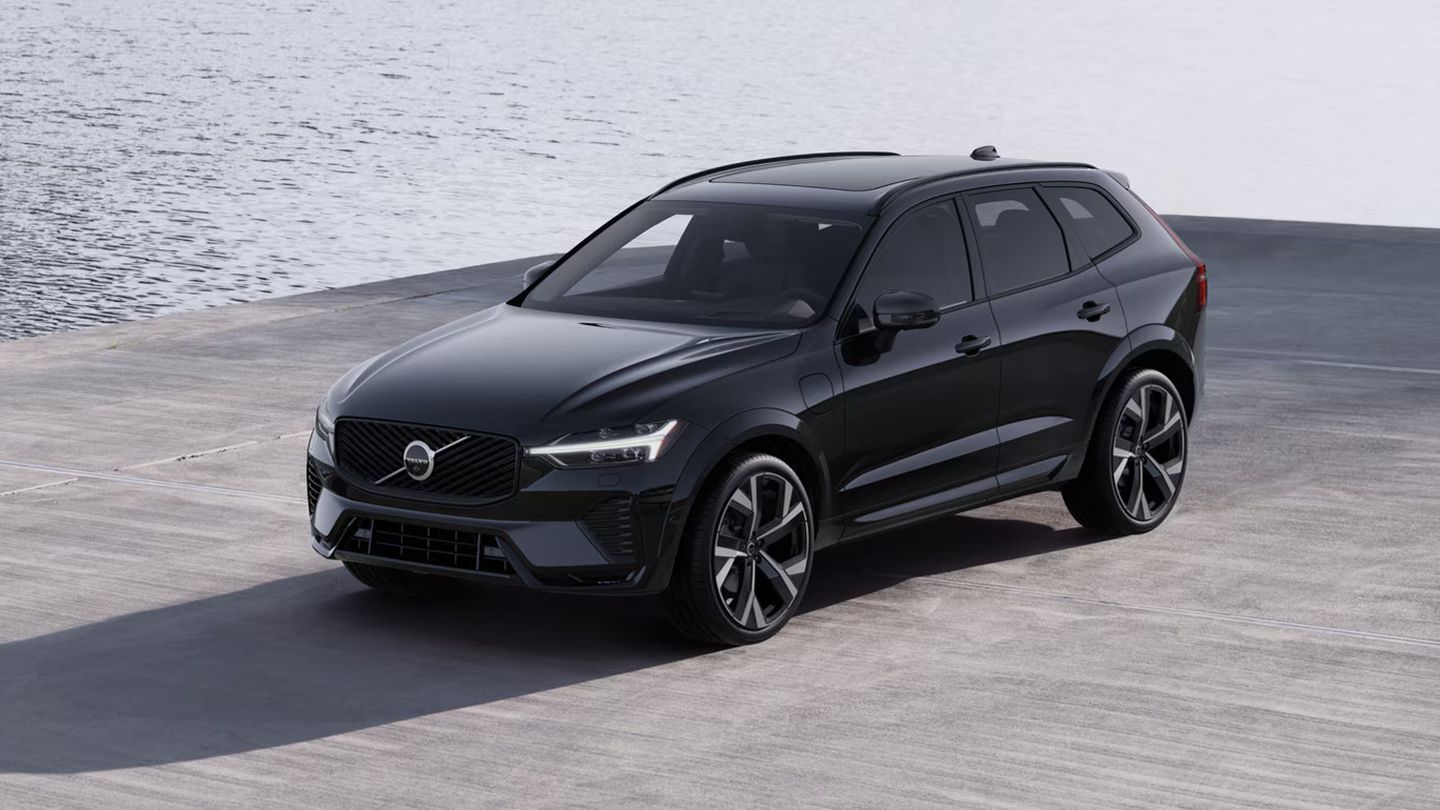
5 Comfort Details That Make the 2026 Volvo XC60 Ideal for Family Road Trips
A long weekend drive across Ontario tests a vehicle differently than a school run ever does. Kids get restless, coffee needs a place to sit, and...
Read moreVolvo Cars Villa

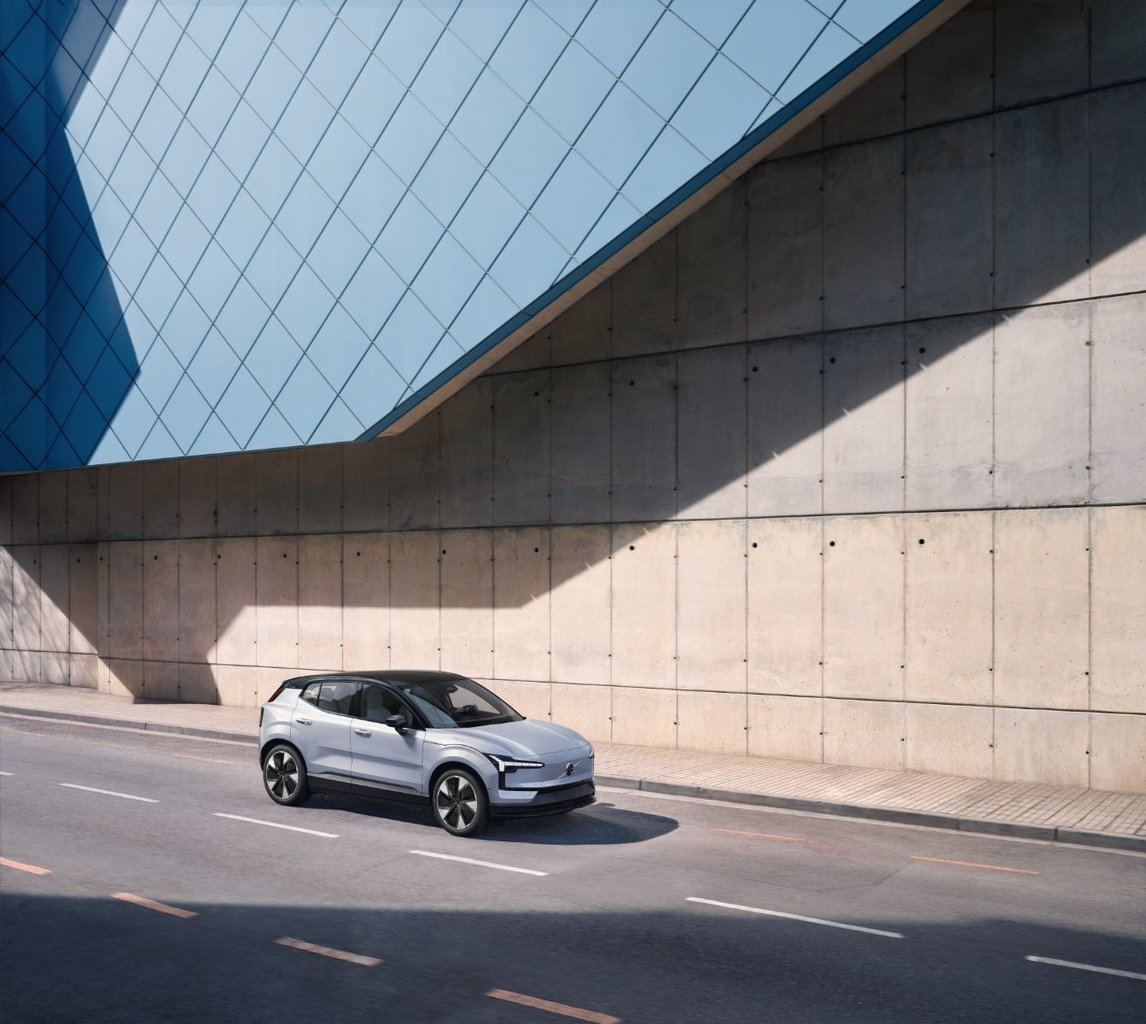
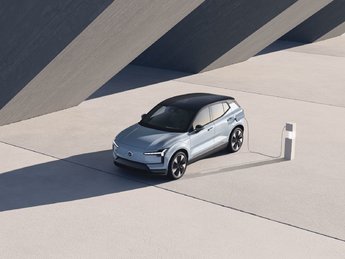
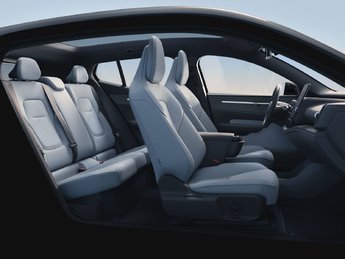
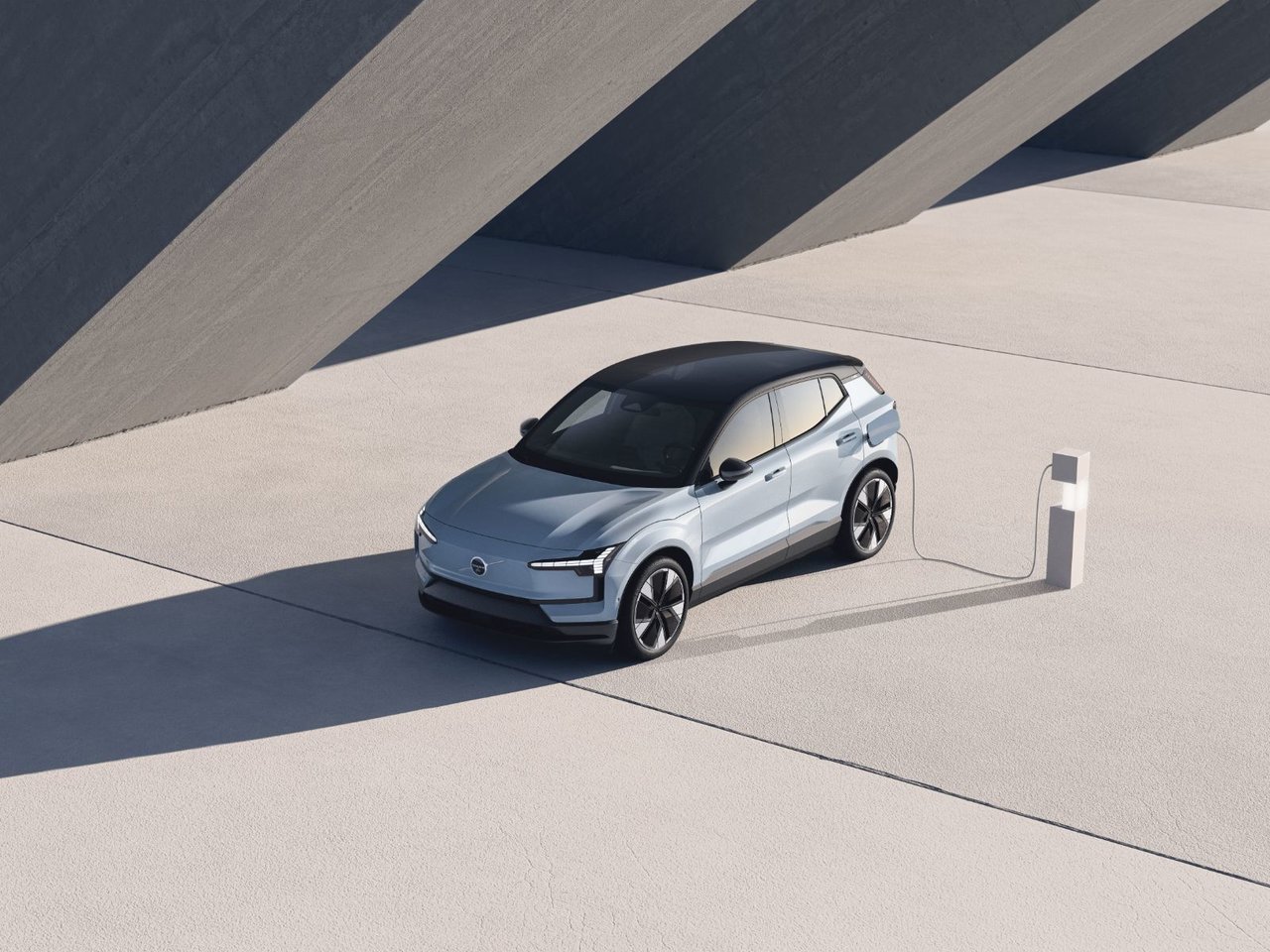
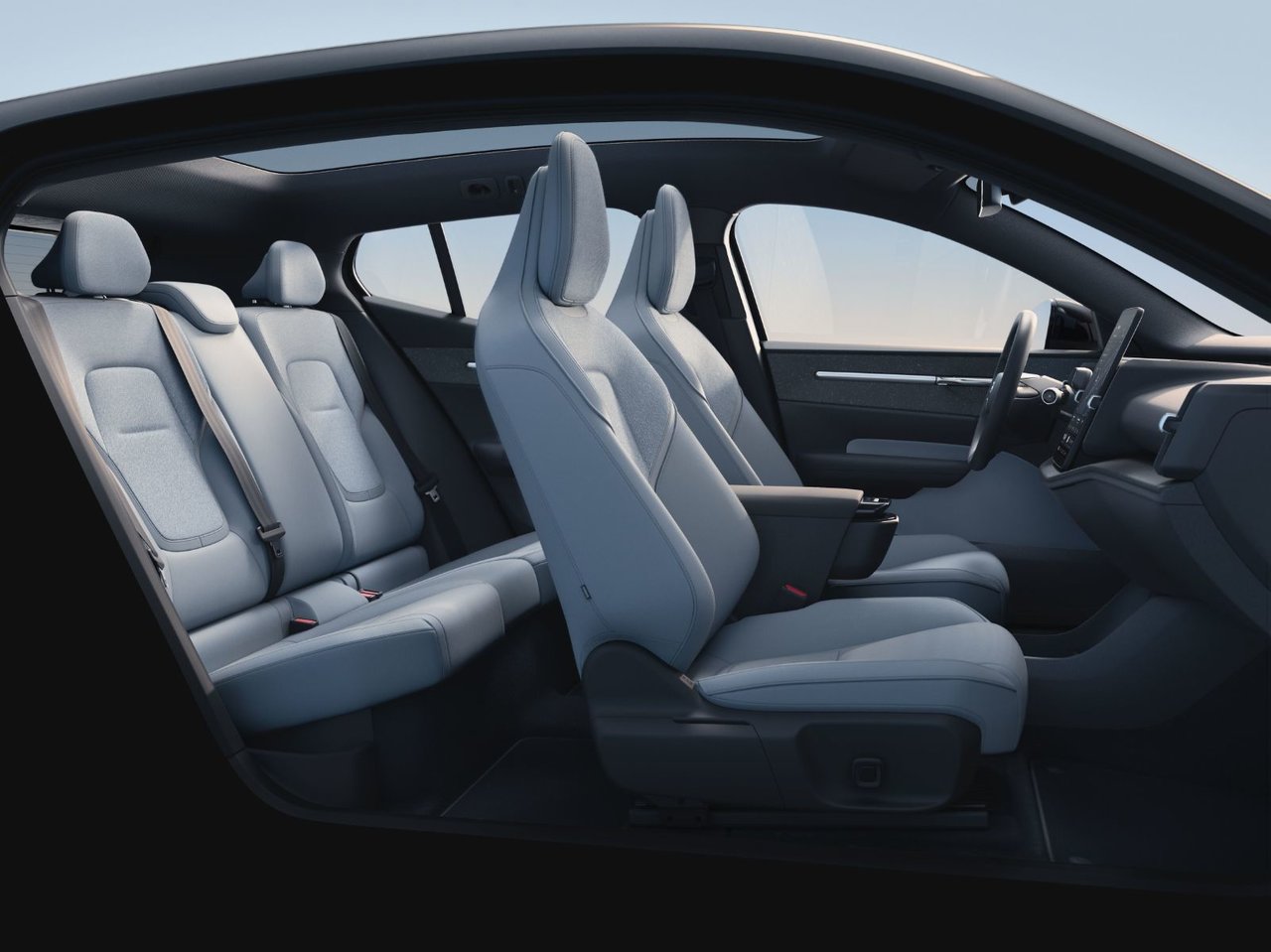
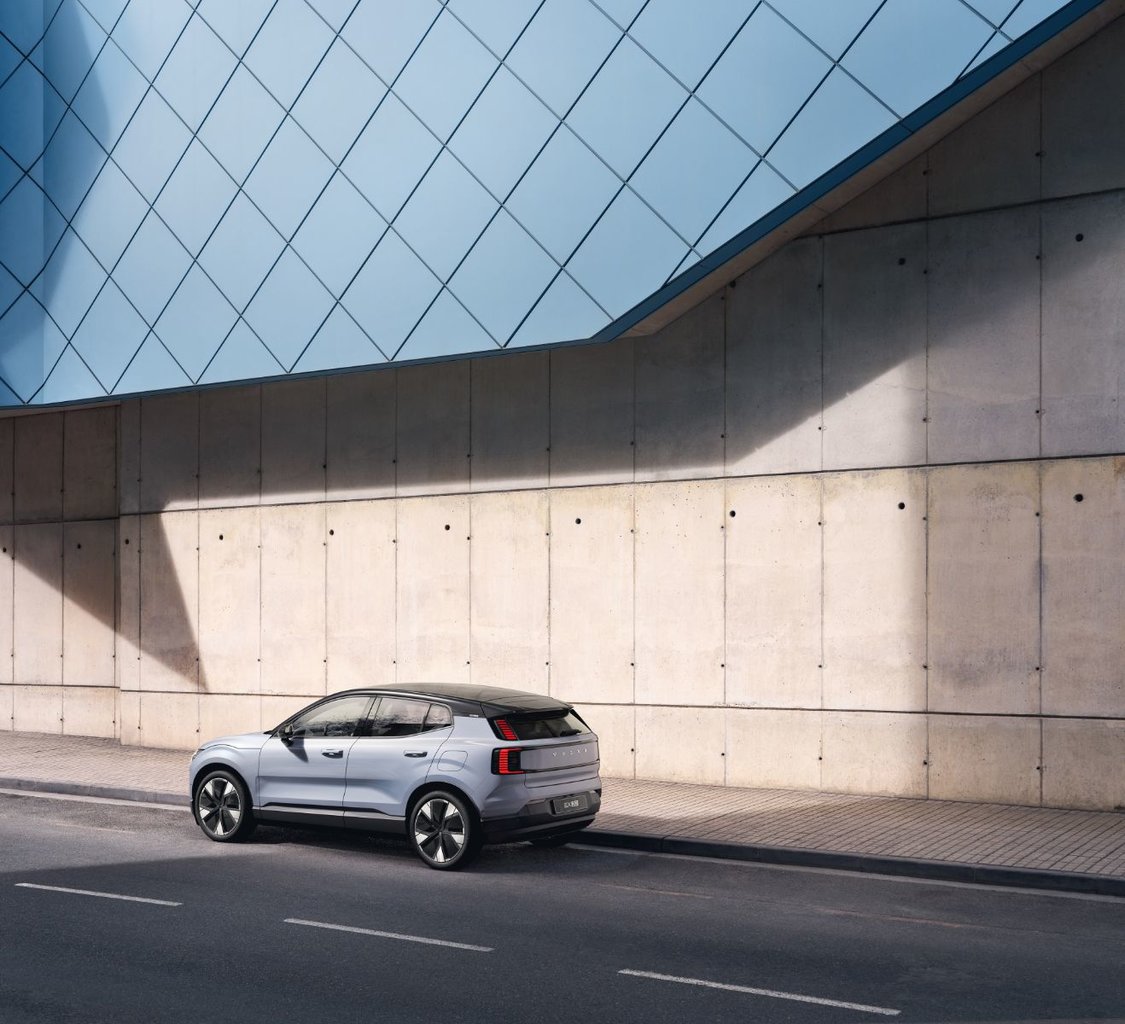
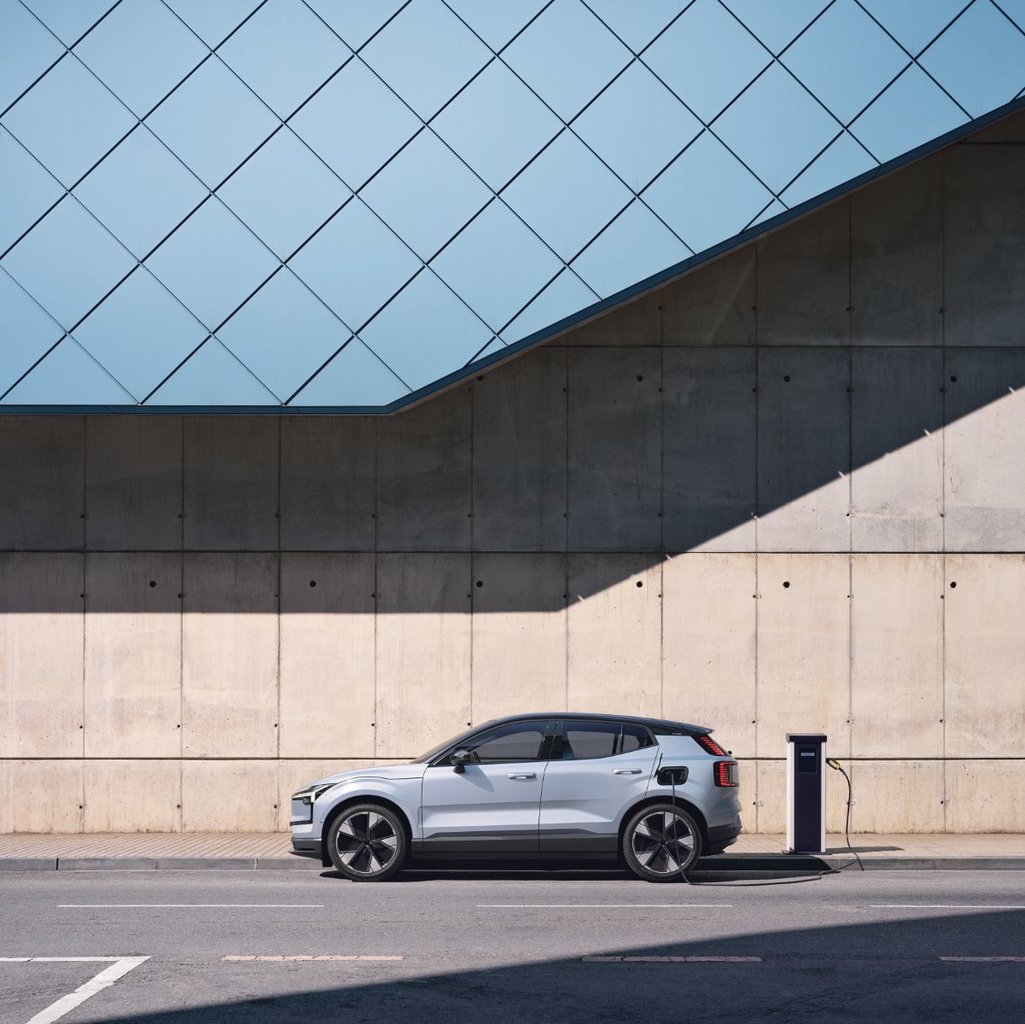
Volvo has marked a noteworthy milestone with the introduction of the Volvo EX30, distinguished by its minimal environmental impact. The EX30 stands out as the Volvo electric vehicle with the lowest carbon footprint thus far, as revealed in a comprehensive Life Cycle Assessment (LCA).
The LCA sheds light on the EX30's total carbon footprint, which is pegged at 23 tonnes over a span of 200,000 km. This figure is notably 60% lower than that of its petrol-fueled counterpart, the XC40 ICE. The assessment meticulously tracks the greenhouse gas emissions across the vehicle's lifecycle, from the procurement of raw materials to its eventual retirement, providing an exhaustive picture of its environmental impact.
One of the standout revelations from the report is the significant reduction in carbon footprint achieved by powering the EX30 with wind-based electricity. Compared to the global and European averages, this choice can diminish the car's carbon impact by approximately 42% and 22% respectively. This underscores the critical role of renewable energy advancements in unlocking the full environmental potential of electric vehicles.
Volvo Cars' Head of Climate Action, Jonas Otterheim, emphasizes the importance of electric vehicles in curbing climate change, while also acknowledging the need for greater transparency to further minimize their emissions. The detailed analysis of the EX30's carbon footprint is a step towards fostering more sustainable practices within Volvo Cars and the broader automotive sector.
The EX30's introduction is part of Volvo's broader sustainability goals, including a transition to a fully electric lineup by 2030 and achieving net-zero greenhouse gas emissions by 2040. The EX30 not only boasts the highest proportion of recycled materials among Volvo cars but also sets a benchmark with a "cradle-to-gate" impact significantly lower than the total carbon footprint, attributing over 60% of its emissions to production phases alone.
Efforts to reduce the EX30's CO2 impact extend to collaborative initiatives with suppliers, targeting significant reductions in emissions from battery manufacturing by 2025 through the adoption of renewable energy and increased use of recycled materials.
Since its launch in November 2023, the EX30 has garnered critical acclaim, securing multiple awards that recognize its environmental credentials and innovative design. As Volvo continues to lead with transparency and sustainability, the EX30 represents a significant step towards a greener future, offering consumers a compelling choice in electric mobility that aligns with their environmental values.
5 Comfort Details That Make the 2026 Volvo XC60 Ideal for Family Road Trips
A long weekend drive across Ontario tests a vehicle differently than a school run ever does. Kids get restless, coffee needs a place to sit, and...
Read more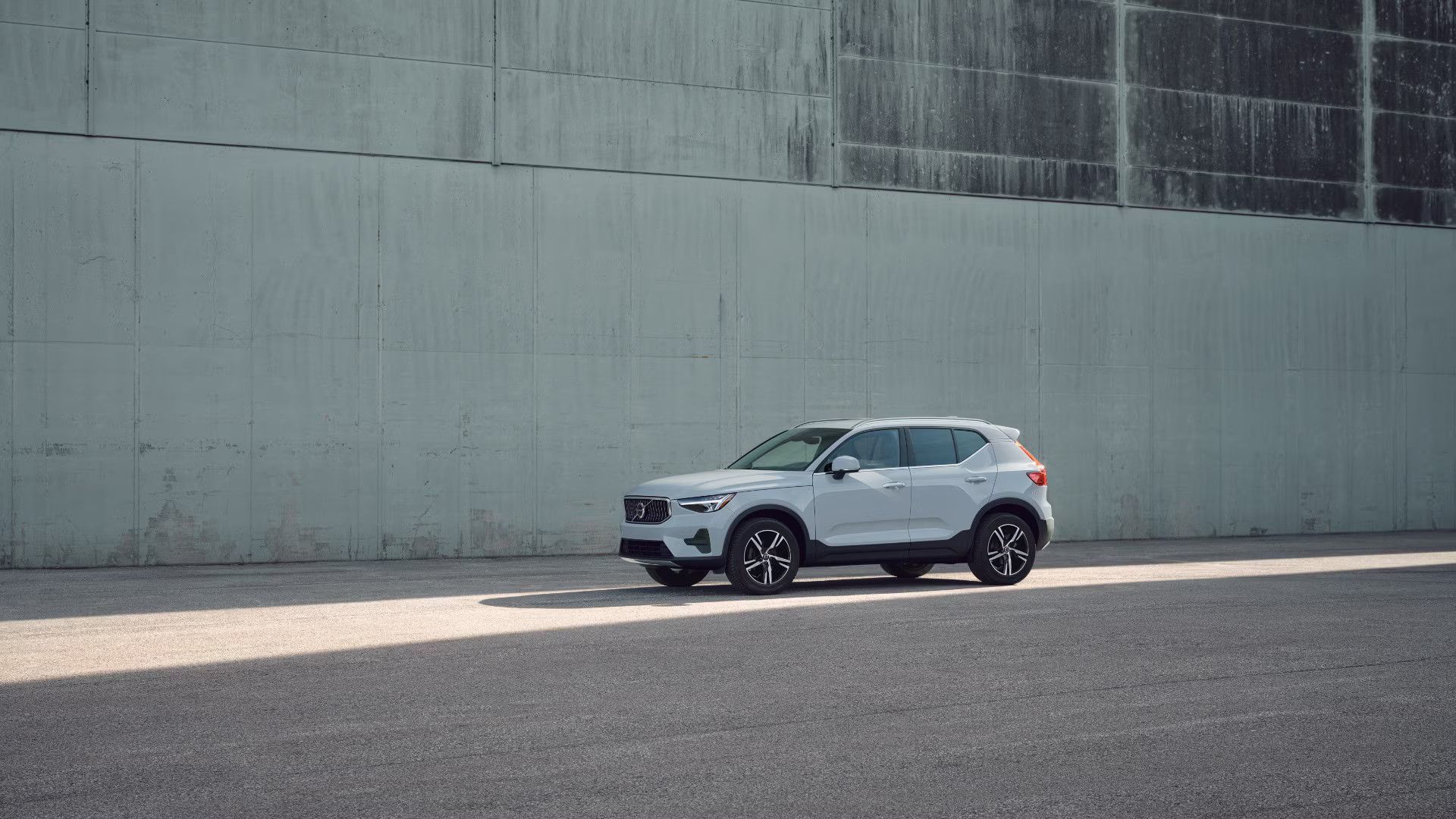
Welcoming First-Time Owners to the 2026 Volvo XC40’s Standard Safety Technology
Buying your first Volvo can feel like a big step, especially if safety tech is the reason you’re looking. The 2026 XC40 is built to answer that...
Read more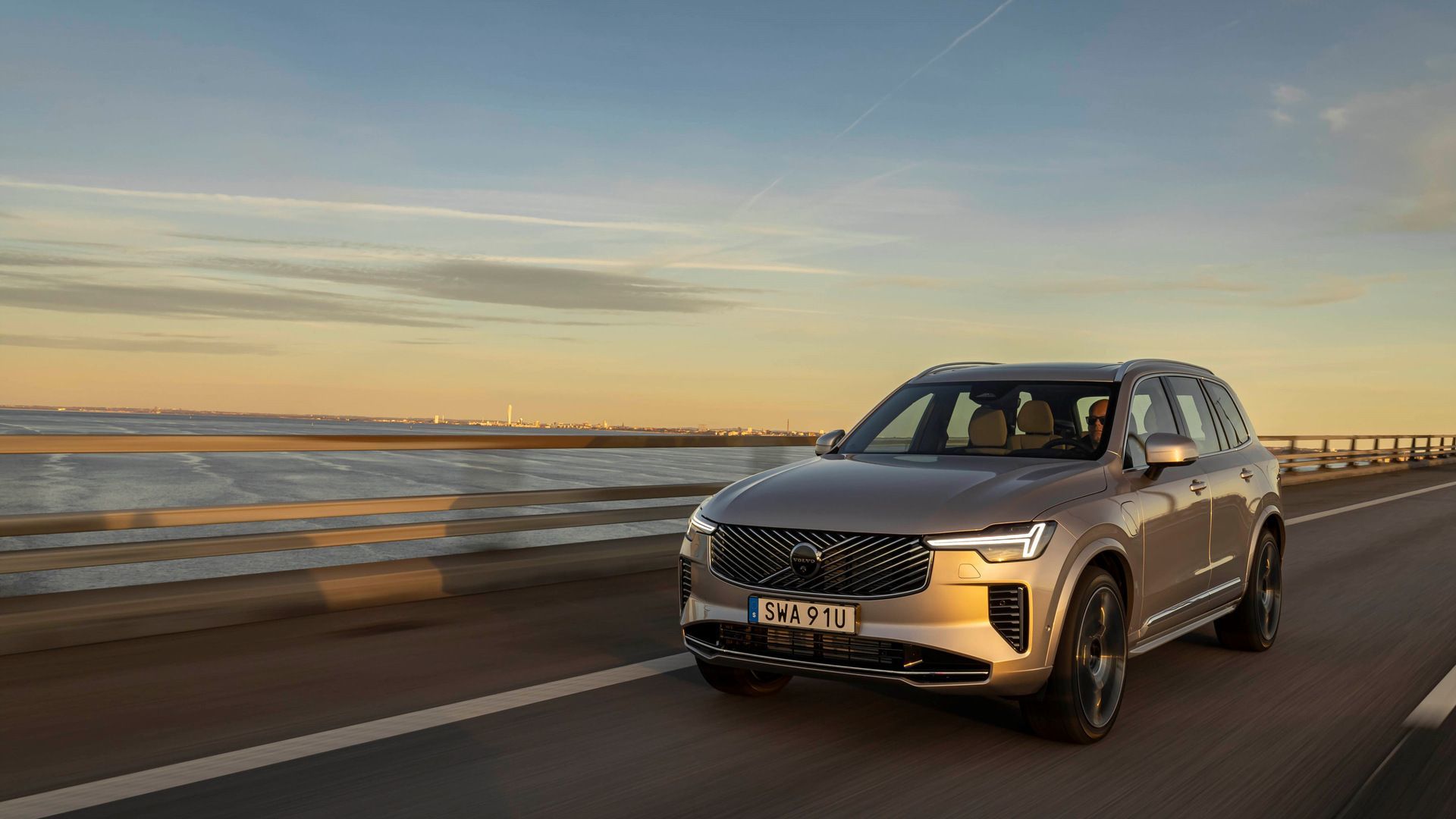
How Does the 2026 Volvo XC90’s Driver-Assist Suite Support Confident Family Driving?
School pickup lanes, condo garages, and a packed highway on a Friday afternoon all ask something different of a three-row SUV. The 2026 XC90...
Read morePowered and developed by