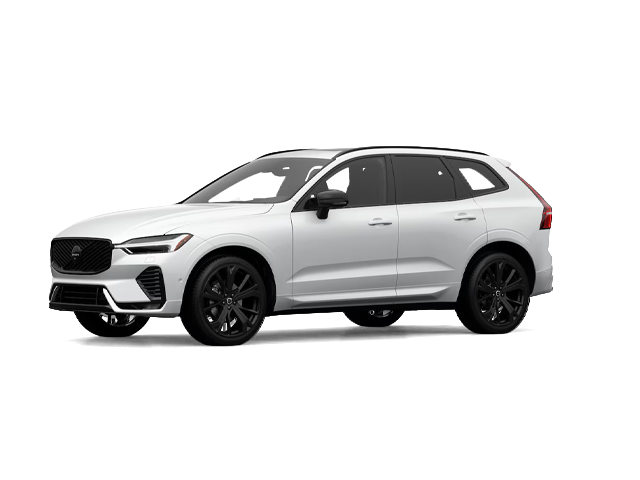
Photo for illustrative purposes only.
Find out moreVolvo Cars Villa

Volvo's electric future arrives with the 2027 EX60 - a purpose-built EV that doesn't just replace the 2026 XC60's capabilities but redefines what a premium SUV delivers. The XC60 has served Ontario families well with proven hybrid and turbocharged powertrains, but the EX60 answers a different question: what happens when you build for electric performance, not adaptation? The comparison reveals a generational shift in architecture, power delivery, and technology integration.
|
Feature |
2027 EX60 |
2026 XC60 |
|
Power Output |
369-671 hp |
247-455 hp |
|
0-100 km/h |
3.9-5.9 seconds |
4.6-6.9 seconds |
|
Electric Range |
514-640 km |
50 km (PHEV only) |
|
Efficiency |
14.7-16.0 kWh/100km |
8.5-9.0 L/100km |
|
Towing Capacity |
- |
1,500 kg (3,308 lb) |
|
Cargo Volume |
- |
486-613 L |
The EX60 rides on Volvo's SPA3 electric vehicle platform - cell-to-body battery integration, mega casting construction, and a flat floor that the XC60's ICE-derived chassis cannot replicate. The XC60 uses a double wishbone front and integral axle rear setup designed around a 2.0L turbocharged four-cylinder and eight-speed automatic transmission. The EX60's double wishbone front and five-link rear suspension work without driveshafts, exhaust routing, or fuel tank placement constraints.
While the XC60 T8 plug-in hybrid delivers 455 hp through a combination of combustion engine and electric motor, the EX60 P12 AWD Electric generates 671 hp (500 kW) from dual electric motors with 790 Nm of torque available instantly - which matters more for drivers merging onto Highway 401 or passing on two-lane provincial routes where throttle response eliminates hesitation.
The P10 AWD Electric's 503 hp (375 kW) still exceeds the XC60's most powerful configuration while the P6 Electric's rear-wheel-drive 369 hp (275 kW) matches the XC60 B5 AWD's 247 hp output with superior acceleration.
The 0-100 km/h gap tells the story: the EX60 P12 reaches speed in 3.9 seconds, the P10 in 4.6 seconds, and the P6 in 5.9 seconds. The XC60 T8 matches the P10's 4.6-second sprint, but requires the battery charged and both powertrains engaged. The XC60 B5 AWD completes the run in 6.9 seconds.
The EX60 P6 Electric delivers up to 620 km of manufacturer-rated range from its 83 kWh battery at 14.7 kWh/100km consumption. The P12 AWD Electric's 117 kWh pack provides 640 km at 16.0 kWh/100km despite the performance increase. The P10 AWD Electric's 95 kWh battery yields 514 km at 15.7 kWh/100km - still covering Toronto to Ottawa or London to Kingston distances.
While the XC60 T8 plug-in hybrid offers 50 km of electric range from its 18.8 kWh battery before the turbocharged engine activates, the EX60's range covers typical daily commuting needs without switching powertrains. The XC60 T8 achieves 8.5 L/100km combined fuel economy after battery depletion. The XC60 B5 AWD runs 9.0 L/100km combined on gasoline alone.
The EX60's 320 kW DC fast charging (P6) and 370 kW capability (P10, P12) restore 10-80% charge in 18-19 minutes. The XC60 T8 requires 5.0 hours on Level 2 charging or 12 hours on standard household current to replenish its smaller battery.

The EX60's HuginCore computing system supports over-the-air updates and bidirectional AC charging up to 22 kW - the vehicle can power a home or worksite when needed. The 28-speaker Bowers & Wilkins audio system includes headrest speakers and Apple Music pre-installed with Dolby Atmos spatial audio. The XC60 offers a responsive infotainment system with intuitive user experience but lacks the EX60's core computing architecture designed for continuous software evolution.
Both vehicles share Volvo's safety cage construction with boron steel reinforcement, ABS, and electronic brake distribution. The EX60 adds a multi-adaptive safety belt and regenerative braking capacity integrated into the electronic brake system. The XC60 includes City Safety collision avoidance and Oncoming Lane Mitigation - proven systems that work across the lineup.
The EX60's 0.26 drag coefficient results from its sloping roofline and tapered body sides, optimized for electric efficiency rather than adapted from an existing platform. The XC60 maintains traditional SUV proportions with a panoramic roof and modernized exterior design.
The XC60 provides 1,500 kg (3,308 lb) of towing capacity across its hybrid and turbocharged variants - a specification the EX60 does not currently advertise. For Ontario cottage owners who trailer boats or utility trailers on weekends, the XC60 handles that requirement with AWD traction and proven drivetrain durability.
The XC60's 486-613 litres of cargo volume (varying by trim and seat configuration) offers quantified storage capacity. The EX60's flat floor architecture should improve usable cargo space, but specific volume figures remain unannounced.
The EX60 P6 Electric offers rear-wheel drive, 369 hp, and up to 620 km of manufacturer-rated range - the efficiency choice for drivers who don't need all-wheel traction year-round. The P10 AWD Electric adds dual-motor AWD, air suspension with single-chamber springs, 503 hp, and 514 km of range for Ontario winters where traction matters more than maximum distance. The P12 AWD Electric tops the lineup with 671 hp, 117 kWh battery, 640 km of range, and 3.9-second acceleration for drivers who want the full performance envelope.
The XC60 B5 AWD delivers turbocharged reliability with 247 hp and 9.0 L/100km combined efficiency. The T8 plug-in hybrid and Polestar Engineered variants share 455 hp output and 50 km electric range with performance-oriented tuning on the Polestar model. All XC60 trims include AWD as standard.
For drivers who cover Highway 7 commutes, 400-series highway travel, or urban Toronto routes without towing requirements, the 2027 EX60 delivers superior acceleration, range that eliminates charging anxiety, and technology architecture built for the next decade of software updates. The P10 AWD Electric's 503 hp and air suspension provide the capability most Ontario buyers need, while the P12 AWD Electric offers performance the XC60 cannot match regardless of configuration.
The XC60 remains the choice for buyers who need confirmed towing capacity, prefer the familiarity of hybrid or turbocharged powertrains, or want immediate availability without waiting for EV infrastructure expansion. But the EX60 doesn't just compare to the XC60 - it offers what Volvo builds when electric performance, not combustion compromise, drives the design.
Pre-order your 2027 EX60 at Volvo Cars Villa in Thornhill for Fall 2026 arrival and explore how instant torque, flat-floor architecture, and a 28-speaker Bowers & Wilkins system redefine the premium SUV experience.
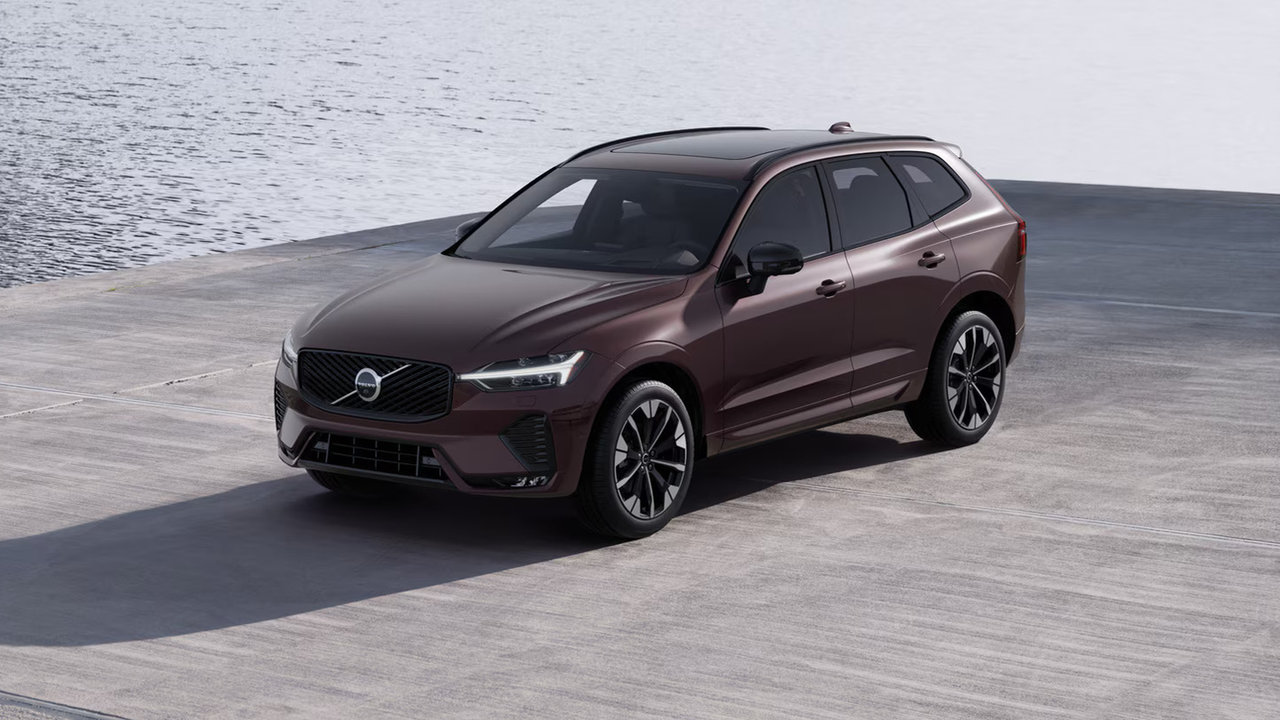
Photo for illustrative purposes only.
Find out more
2026 Volvo XC40: What Are the Powertrains Offered?
Ontario driving asks a lot of a compact luxury SUV: highway commutes, tight downtown parking, gravel cottage roads, and everything between. The...
Read more
Is BLIS Standard on Every 2026 Volvo XC60 Trim?
Comparing 2026 Volvo XC60 trims can feel like reading a spreadsheet instead of shopping for an SUV. Ontario buyers usually land on one question...
Read more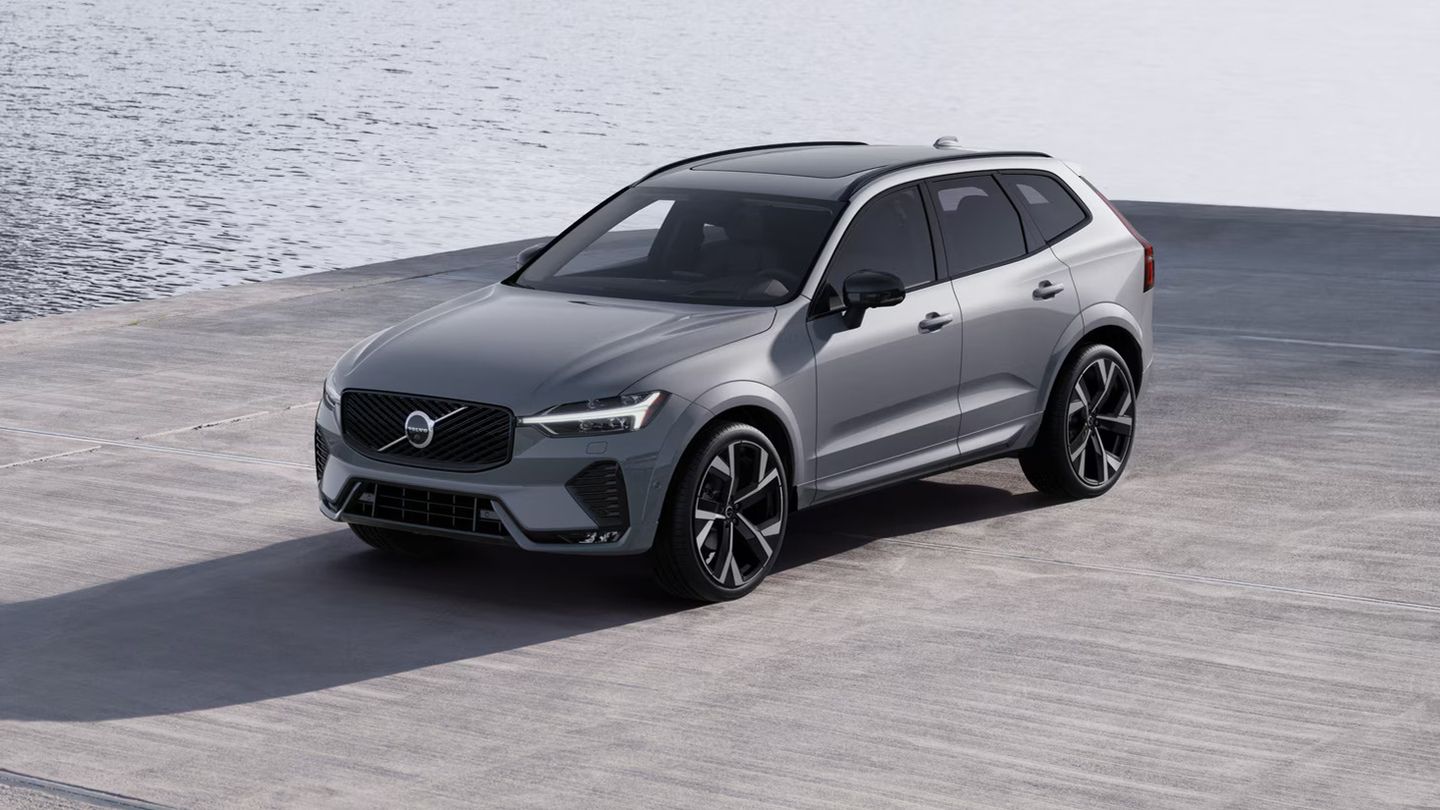
More Power: What the 2026 Volvo XC60 Polestar Engineered Adds
Shopping the XC60 lineup in Ontario often comes down to one question: how much performance do you actually want layered on top of a plug-in hybrid...
Read morePowered and developed by