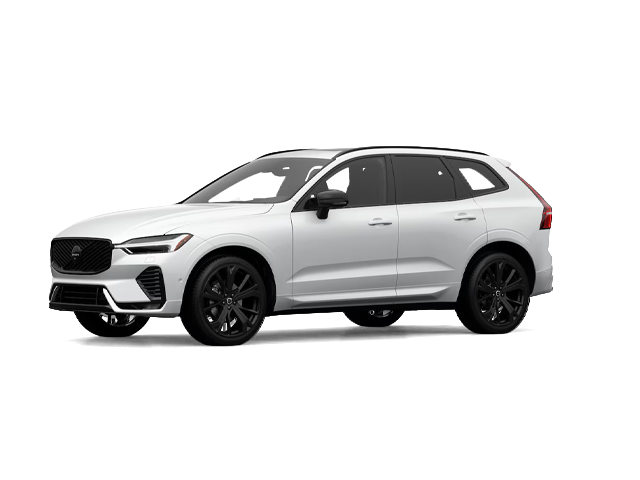
Photo for illustrative purposes only.
Find out moreVolvo Cars Villa

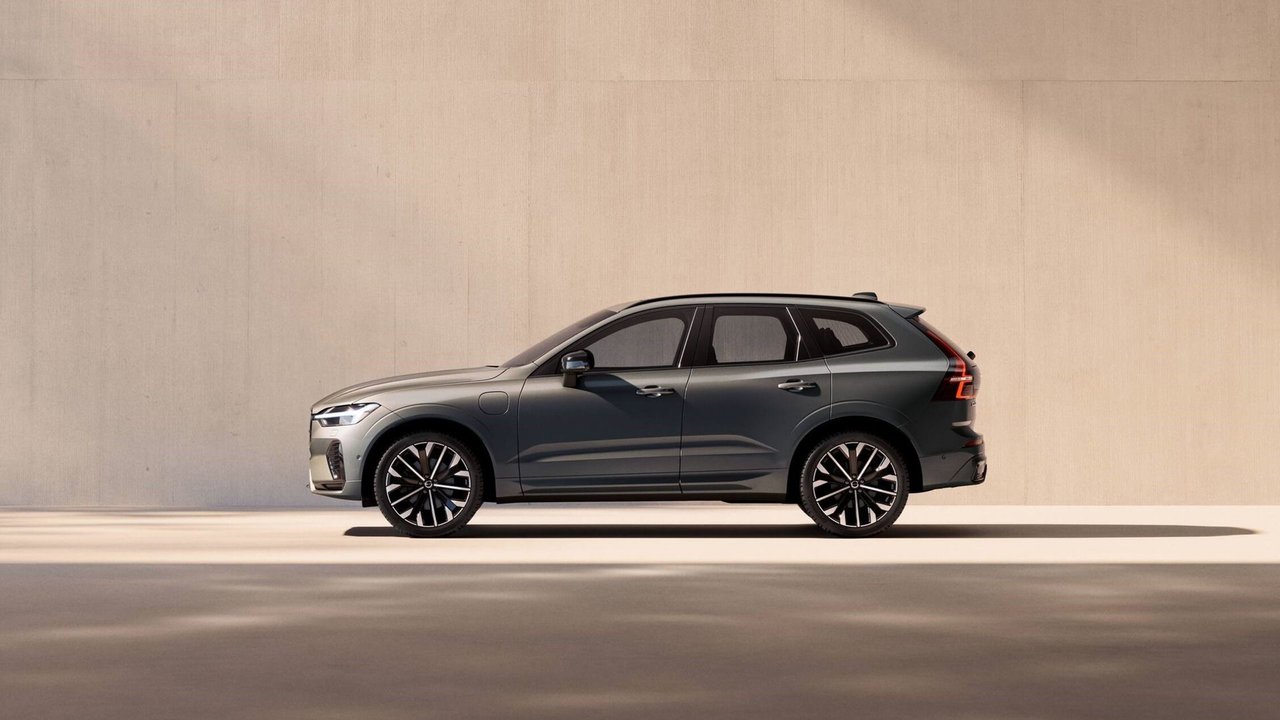
A long road trip through Ontario is one of the better arguments for owning a Volvo. The roads are worth it. So is making sure your XC60 is genuinely ready before you leave the driveway.
Summer driving is harder on vehicles than most people expect. Sustained highway speeds, high pavement temperatures, and hours of continuous operation stress tires, fluids, and powertrains in ways a daily commute never does. These five checks take less than an hour and can prevent the kind of problem that turns a great trip into a long afternoon on the shoulder.
Summer heat changes the math on nearly every system in your vehicle. Tire pressure rises as the rubber warms up, so a tire that looks fine in the driveway may be overinflated at highway speed. Coolant works harder when ambient temperatures are high and the engine runs continuously. Wiper blades that seemed acceptable in May can streak badly in a July downpour.
For XC60 T8 Plug-in Hybrid drivers, there is one more variable: the lithium-ion battery. Its 14.7 kWh of usable capacity and up to 58 km of electric range are useful on a road trip, but heat affects battery performance and planning. Knowing your starting state of charge matters before a long stretch without a charger.
All XC60 trims require premium fuel at a minimum of 95 RON. This applies to the B5 AWD, the T8 Plug-in Hybrid, and the Polestar Engineered. Filling with lower-octane fuel on a long highway trip is not a worthwhile shortcut.
The XC60 T8 pairs a 1.969 L 4-cylinder engine with a 143 hp electric motor for a combined 455 hp and 523 lb-ft of torque. Before a long trip, confirm the 18.8 kWh battery is fully charged. The 14.7 kWh of usable capacity gives you 58 km of electric range, which can cover the early portion of many Ontario drives before the combustion engine takes over. The 71 L fuel tank handles the rest without frequent stops.
Check tire pressure when the tires are cold, before the car has moved. Pressure rises as tires heat up, so a correct cold reading is the reliable baseline. On a summer highway run, an already-high pressure can cause uneven wear and reduce grip.
Inspect each tire for tread depth and look along the sidewalls for cracking, bubbling, or cuts. Tires degrade faster in high heat, and a tire that survived winter may have accumulated more damage than it appears. The XC60 T8 and Polestar Engineered carry a temporary mobility kit in place of a full-size spare, so verify that kit is present and functional before you load the cargo area. The B5 AWD has the option of a repair kit or spare wheel depending on configuration.
Four fluids deserve a visual check before any long drive:
The XC60 T8 includes an electric cabin heater and cooler that operates independently of the combustion engine, so the passenger compartment stays comfortable regardless of traffic. That does not replace checking coolant on the combustion side.
Walk around the vehicle and test every light: low beams, high beams, brake lights, and turn signals. A burned-out brake light is a safety risk and a reason for a traffic stop.
Wiper blades that streak or skip in light rain will be genuinely dangerous in a heavy summer storm. The XC60 features a rain sensor that adjusts wiper speed automatically, but the system depends on blades that make clean contact with the glass. If the blades leave arcs or smears, replace them before the trip, not during it.
A basic roadside kit for a summer Ontario trip should include:
Confirm your driver’s licence, vehicle registration, and insurance are current and in the car. For routes that pass through areas with unreliable coverage, downloading offline navigation maps in advance is a practical step that costs nothing and can prevent real problems.
Families loading the XC60 for a week away gain the most from a thorough pre-trip check. The XC60 B5 AWD offers 965 L of cargo volume with the rear seats folded; the T8 offers 950 L. Either configuration handles a well-packed family trip, and knowing the vehicle is ready removes the anxiety that tends to travel with a loaded cargo area.
T8 drivers planning a route where charging infrastructure is limited should pay particular attention to check one. Fifty-eight kilometres of electric range covers plenty of local driving, but a 400 km highway run means the combustion engine will carry most of the load. Leaving with a full battery and a full tank is the right starting point.
The XC60 is built for this kind of use: a 71 L fuel tank, up to 58 km of electric range on the T8, and cargo space that handles real travel loads. A pre-trip check keeps all of that working the way it should.
Visit Volvo Cars Villa in Thornhill, ON to schedule a pre-trip service inspection or speak with the team about XC60 features before your next summer drive. Book your service appointment and leave knowing your Volvo is prepared for the road ahead.
Photo for illustrative purposes only.
Find out more
2026 Volvo XC40: What Are the Powertrains Offered?
Ontario driving asks a lot of a compact luxury SUV: highway commutes, tight downtown parking, gravel cottage roads, and everything between. The...
Read more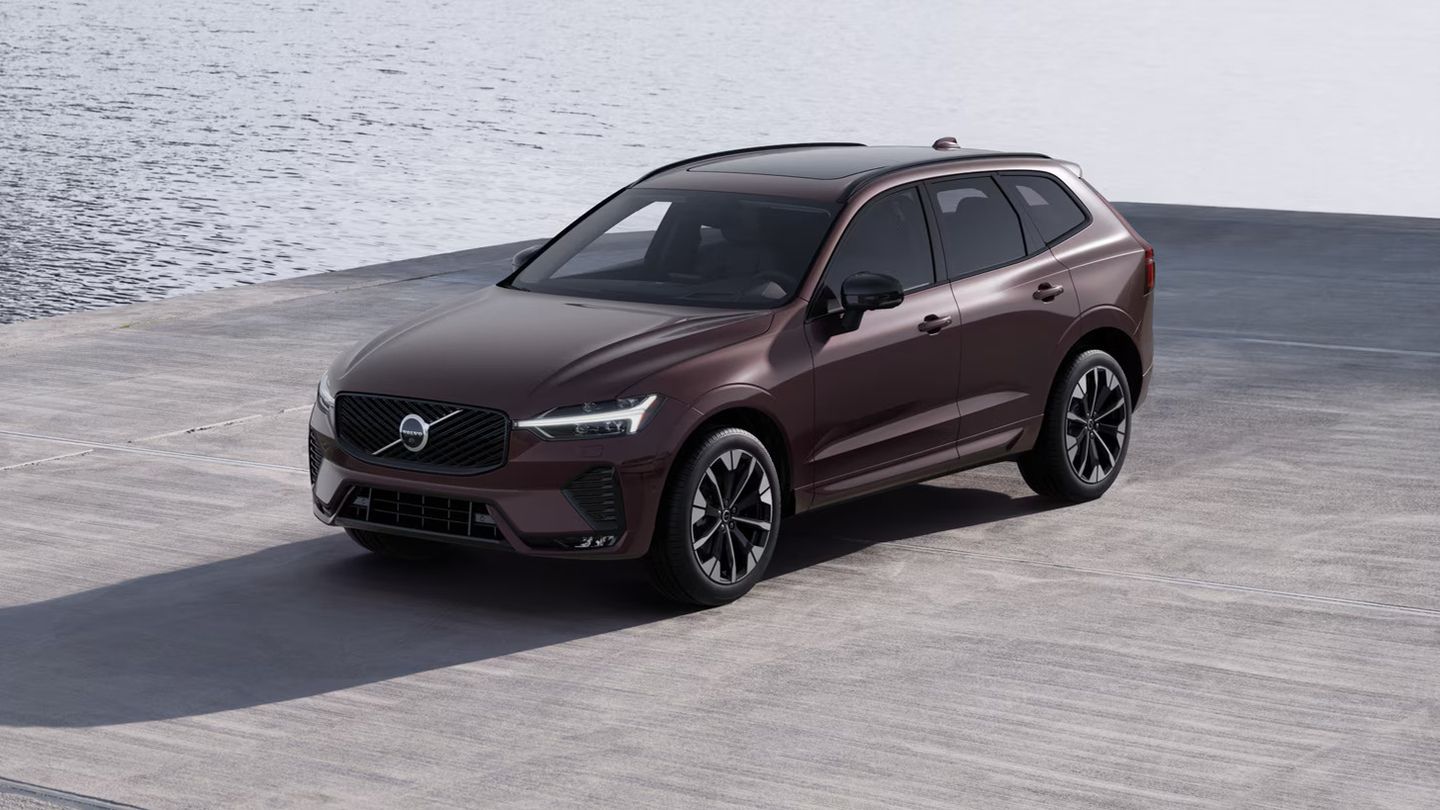
Is BLIS Standard on Every 2026 Volvo XC60 Trim?
Comparing 2026 Volvo XC60 trims can feel like reading a spreadsheet instead of shopping for an SUV. Ontario buyers usually land on one question...
Read more
More Power: What the 2026 Volvo XC60 Polestar Engineered Adds
Shopping the XC60 lineup in Ontario often comes down to one question: how much performance do you actually want layered on top of a plug-in hybrid...
Read morePowered and developed by