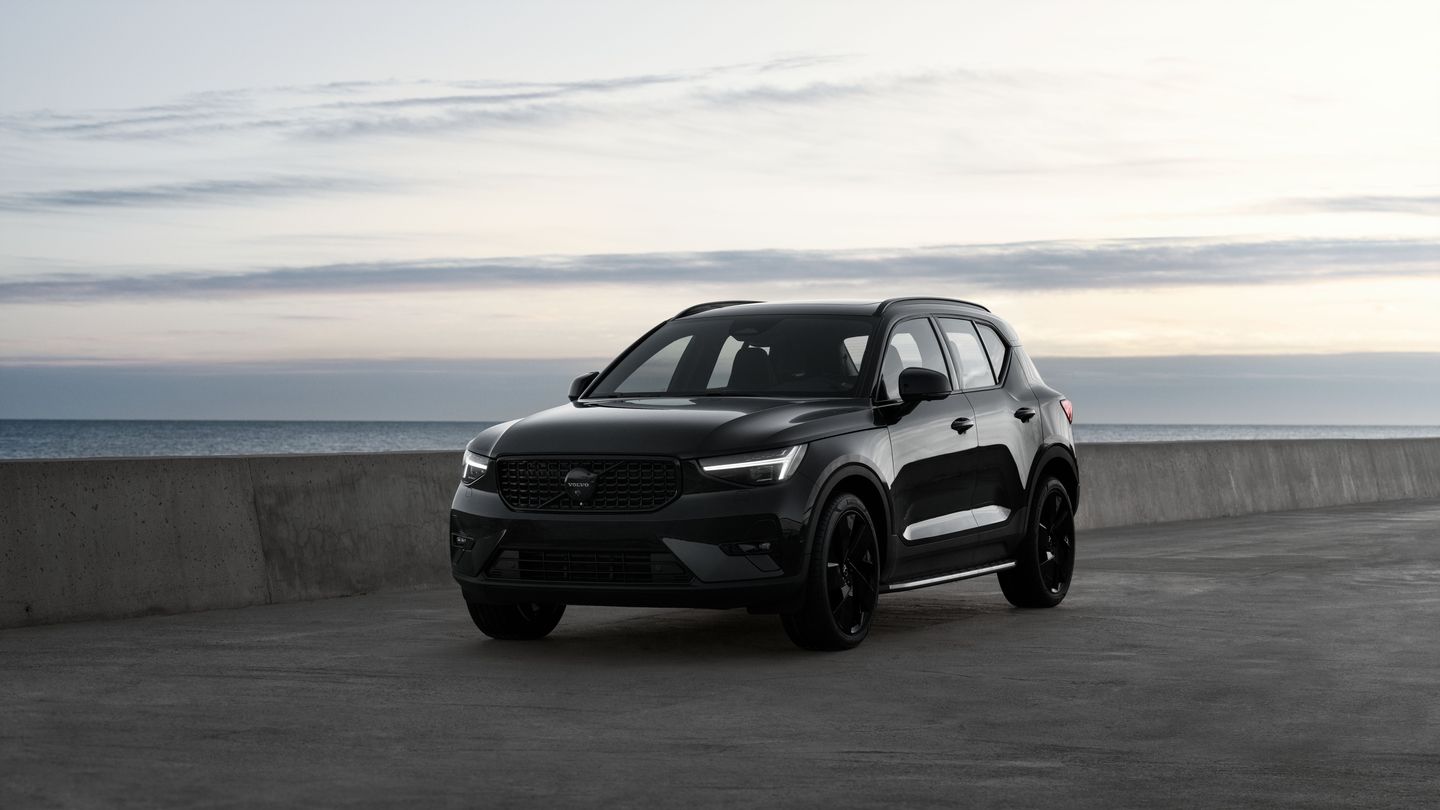
2026 Volvo XC40: What Are the Powertrains Offered?
Ontario driving asks a lot of a compact luxury SUV: highway commutes, tight downtown parking, gravel cottage roads, and everything between. The...
Read moreVolvo Cars Villa

Seven years ago, in the summer of 2017, Volvo made a very significant announcement that set a number of gears in motion for global car manufacturers. The Swedish automaker declared its commitment to electrification, marking it as the first traditional car maker to embrace this transition comprehensively. This decision is another example of Volvo’s unquestionable leadership in the automotive industry.
Starting from 2019, every new model introduced by Volvo has been equipped with an electric motor. This initiative effectively began the phase-out of vehicles solely dependent on internal combustion engines, signaling a notable shift in Volvo's production and design philosophy. To accommodate various consumer needs and market readiness, Volvo has introduced mild hybrids and plug-in hybrids as interim options, while gradually increasing the presence of fully electric models in its lineup.
In an effort to ensure accessibility and choice for its customers, Volvo has become the only manufacturer to offer a plug-in hybrid or an all-electric variant for every model in its portfolio. This approach not only diversifies Volvo's offerings but also caters to a growing demographic of environmentally conscious drivers.
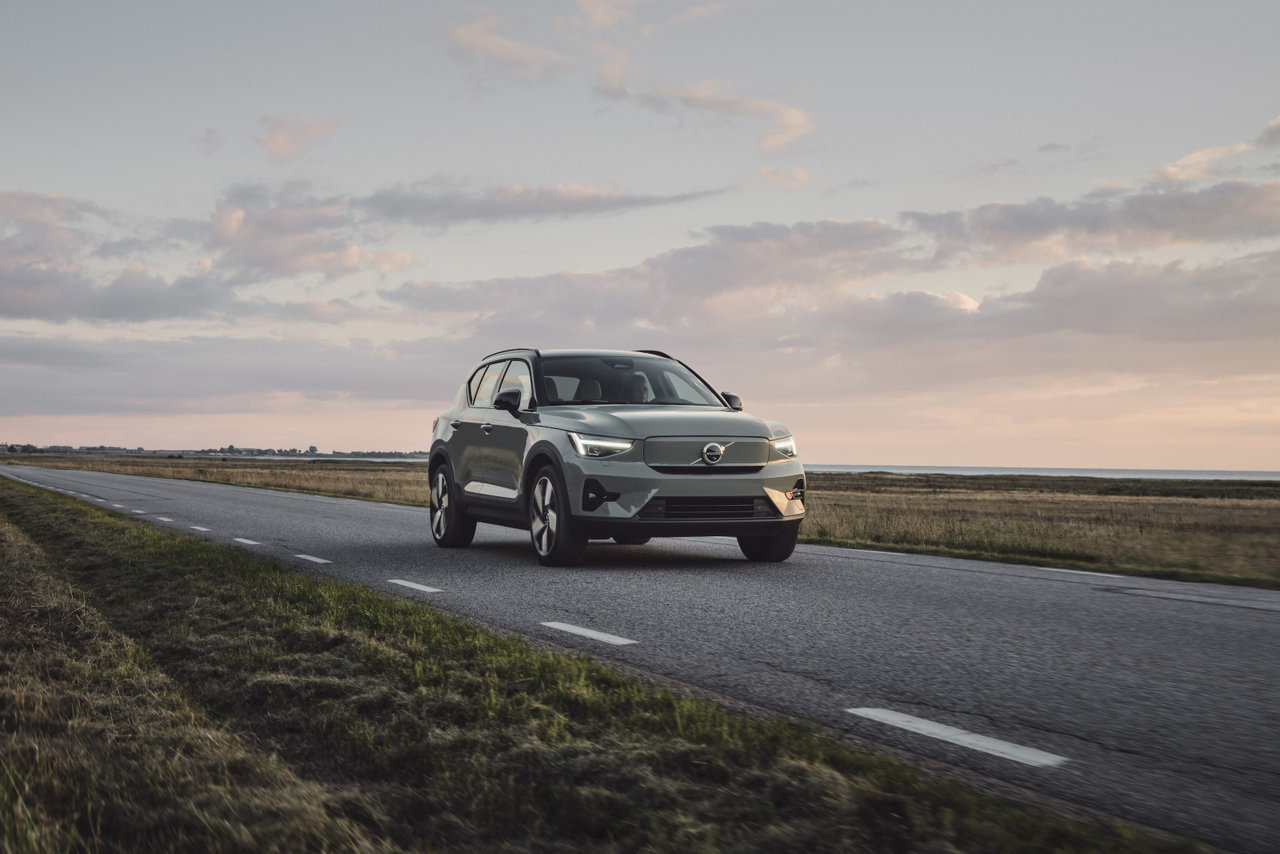
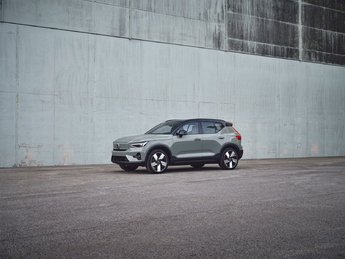
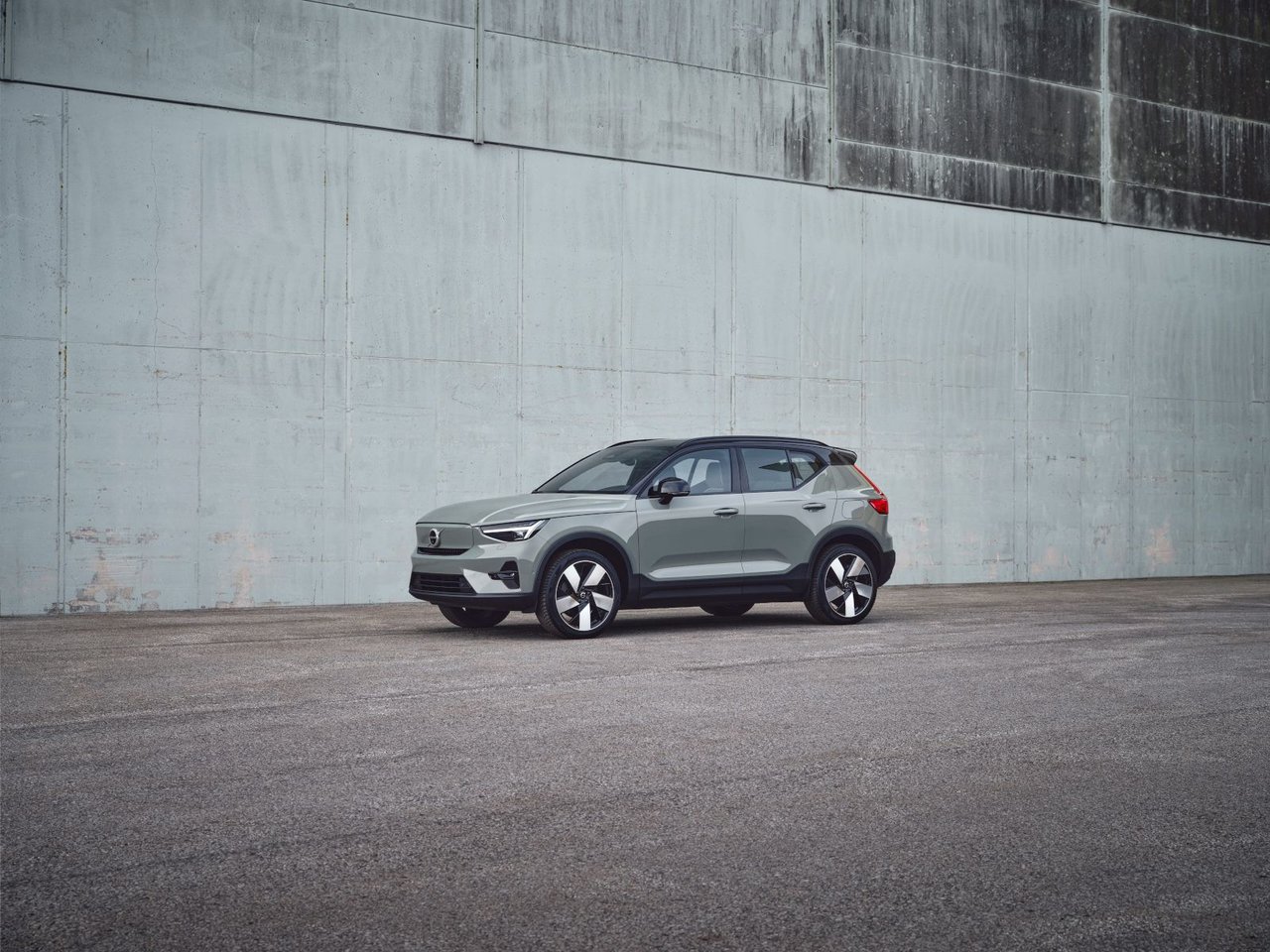
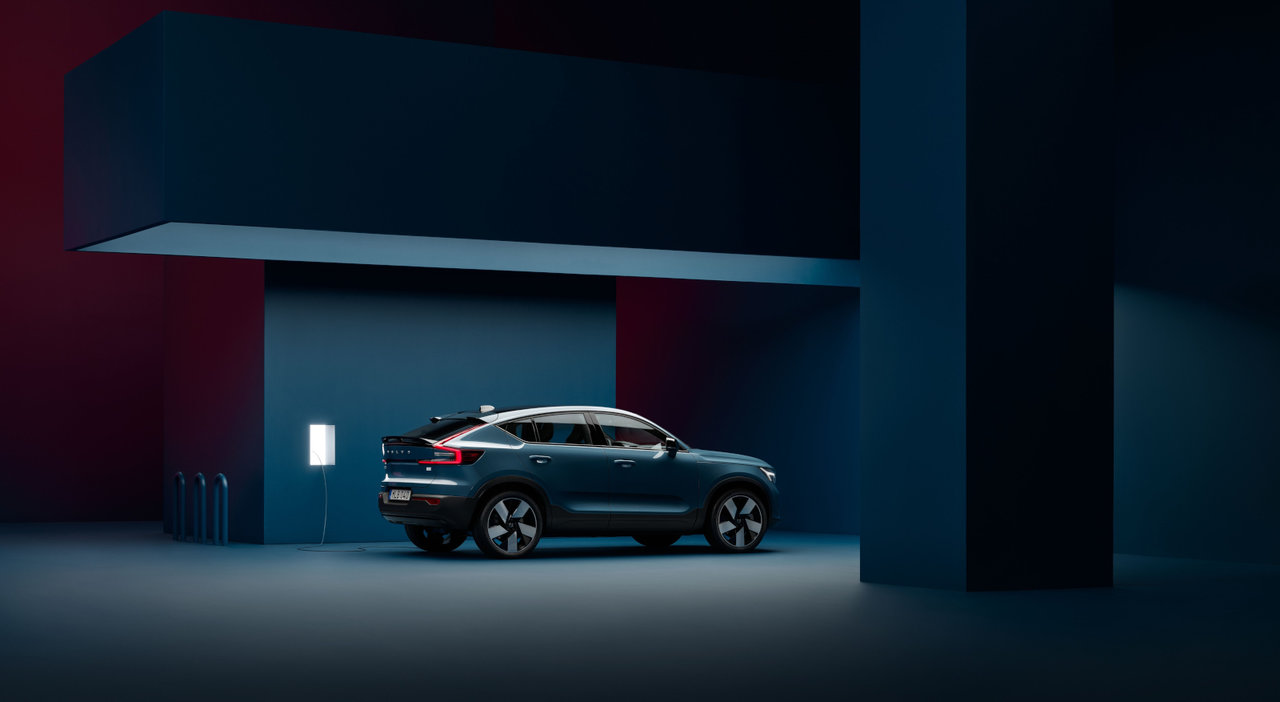
The launch of the Volvo XC40 Recharge in fall 2019 marked a milestone in Volvo's electrification journey. As the inaugural vehicle in Volvo's new Recharge line, which encompasses all chargeable models with electric or plug-in hybrid powertrains, the XC40 Recharge spearheaded a new era for the automaker. The Recharge designation has covered a growing family of fully electric vehicles, reinforcing Volvo's dedication to sustainable automotive solutions.
Volvo's ambitious plan includes the introduction of a new electric vehicle each year for the next five years. The company's target is that by 2025, electric cars will constitute 50 percent of its global sales, with hybrids making up the remainder. In March of 2024, 50 % of all Canadian new vehicle sales were PHEVs or EVs.
This strategic pivot not only one more demonstrates that Volvo is a leader in automotive electrification but also reflects a significant industry transformation towards more sustainable and innovative vehicle technologies. As other manufacturers observe and follow Volvo's lead, the impact of this shift is expected to contribute substantially to the reduction of automotive emissions worldwide, fostering a cleaner, more sustainable future.
2026 Volvo XC40: What Are the Powertrains Offered?
Ontario driving asks a lot of a compact luxury SUV: highway commutes, tight downtown parking, gravel cottage roads, and everything between. The...
Read more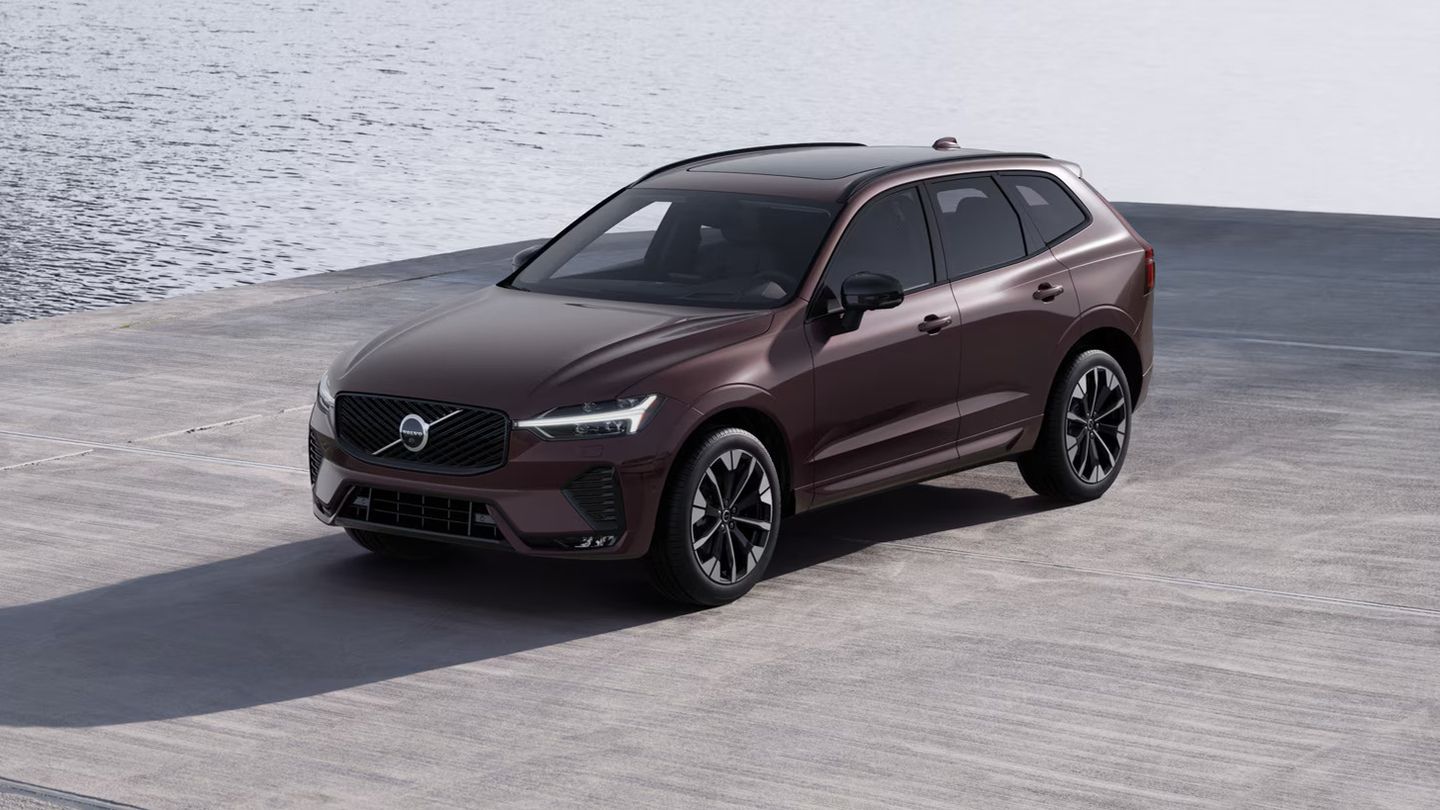
Is BLIS Standard on Every 2026 Volvo XC60 Trim?
Comparing 2026 Volvo XC60 trims can feel like reading a spreadsheet instead of shopping for an SUV. Ontario buyers usually land on one question...
Read more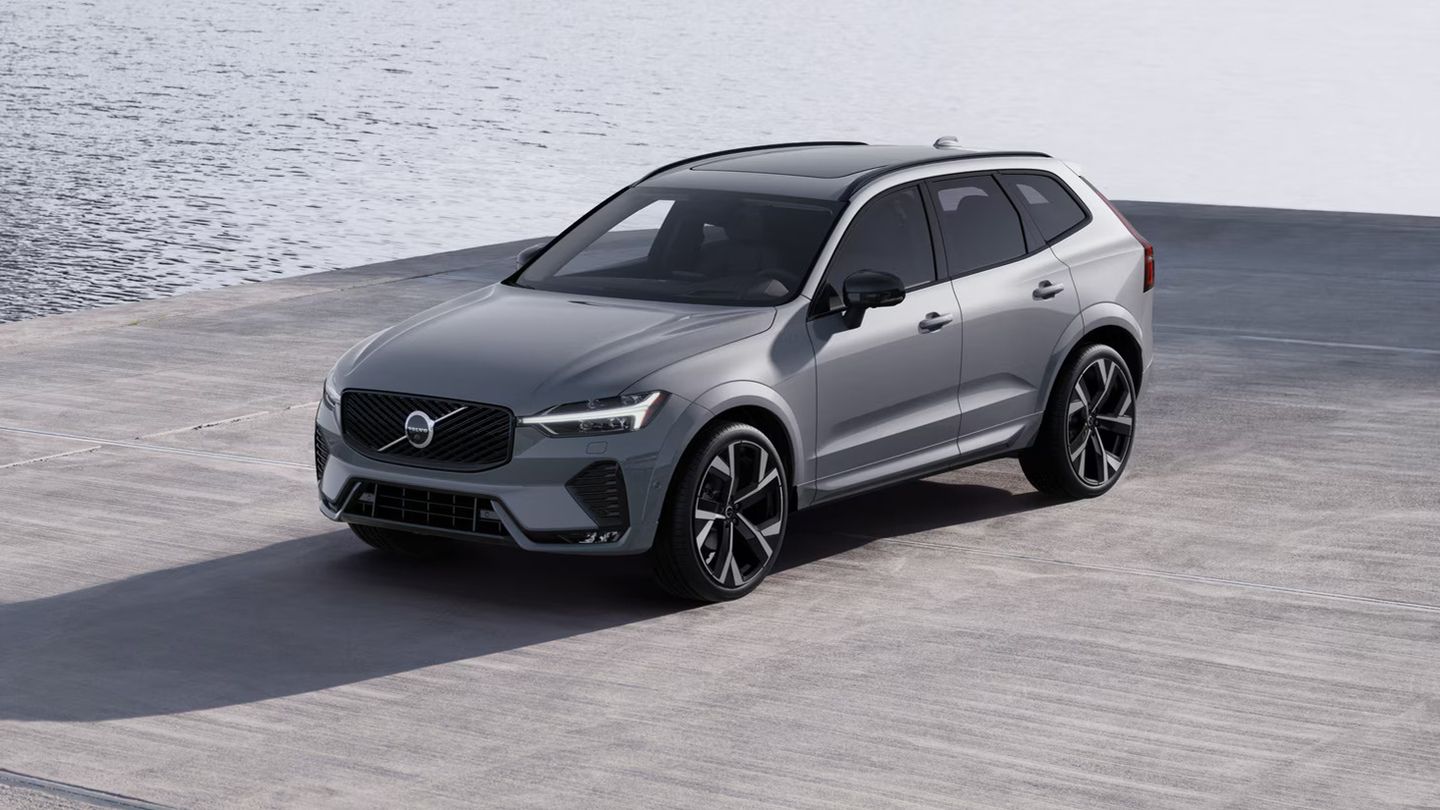
More Power: What the 2026 Volvo XC60 Polestar Engineered Adds
Shopping the XC60 lineup in Ontario often comes down to one question: how much performance do you actually want layered on top of a plug-in hybrid...
Read morePowered and developed by