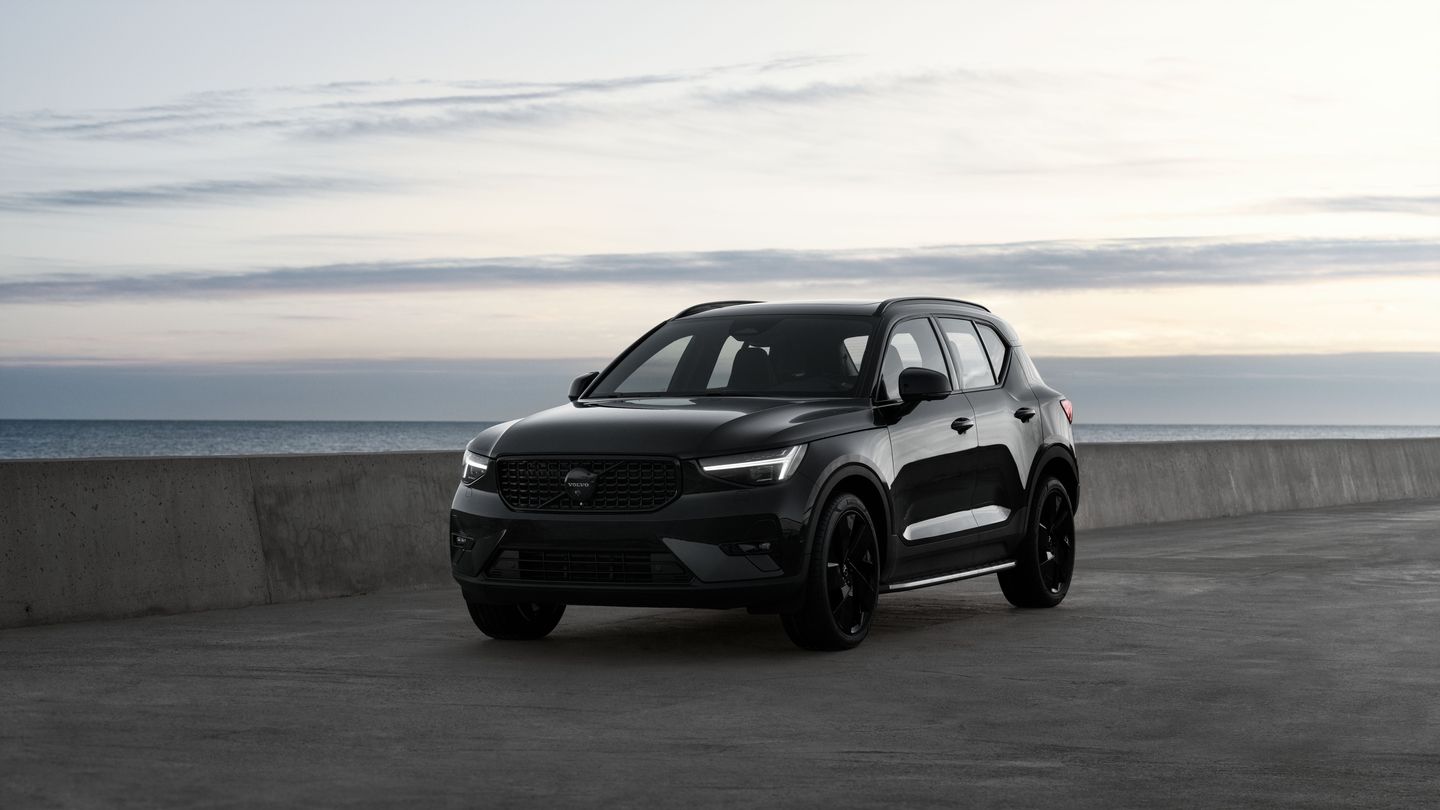
2026 Volvo XC40: What Are the Powertrains Offered?
Ontario driving asks a lot of a compact luxury SUV: highway commutes, tight downtown parking, gravel cottage roads, and everything between. The...
Read moreVolvo Cars Villa

The Automotive Journalists Association of Canada has named Volvo's Multi-Adaptive Safety Belt the best automotive advancement of 2026. The award recognizes a technology that adapts in real time to protect occupants during a collision - a step beyond the static three-point belt that has been the industry standard for decades.
For drivers in the Greater Toronto Area, where Highway 400 and the 401 see some of the highest collision rates in the country, this kind of active safety technology addresses a real-world risk. The Multi-Adaptive Safety Belt is designed to respond to crash forces as they happen, adjusting tension and positioning to reduce injury severity.
Traditional seat belts lock during a collision and hold the occupant in place. Volvo's system takes that a step further by actively managing belt tension throughout the crash event. The belt adjusts in milliseconds, tightening or releasing based on the forces detected by the vehicle's sensors.
The system works in coordination with the airbags and the vehicle's crash structure. If the sensors detect a frontal impact, the belt pre-tensions to pull the occupant firmly into the seat. As the crash progresses, the belt can release slightly to allow controlled forward movement, reducing chest and rib injuries. Then it tightens again to prevent excessive motion.
This adaptive response is designed to protect a wider range of body types and seating positions than a fixed-tension belt. It also accounts for side impacts and rollovers, adjusting the belt path and tension to keep the occupant in the safest position relative to the airbags.
The Automotive Journalists Association of Canada evaluates innovations based on real-world impact, not just technical novelty. The Multi-Adaptive Safety Belt earned the award because it addresses a fundamental safety challenge: no two collisions are identical, and no two occupants are the same size or seated in the same position.
The system's ability to adapt in real time means it can protect a small-framed driver in a low-speed collision and a larger passenger in a high-speed crash with the same level of precision. AJAC noted that this kind of adaptive restraint technology has the potential to reduce injury severity across a wide range of crash scenarios.
The award also reflects Volvo's long history of safety advancement. The Swedish automaker introduced the three-point seat belt in 1959 and made the patent available to other manufacturers. The Multi-Adaptive Safety Belt continues that legacy by rethinking how restraints work in modern vehicles equipped with advanced sensors and crash-detection systems.
The Multi-Adaptive Safety Belt does not work in isolation. It is part of a larger safety suite that includes collision warning, automatic emergency braking, and advanced airbag systems. The belt's adaptive response is triggered by the same sensors that deploy the airbags and activate the pre-collision systems.
If the vehicle detects an imminent crash, the belt pre-tensions before impact. This pulls the occupant into the seat and positions them optimally for airbag deployment. During the crash, the belt adjusts tension based on the severity and direction of the impact. After the crash, the belt releases to allow the occupant to exit the vehicle or be assisted by emergency responders.
The system also includes load limiters that prevent the belt from applying excessive force to the chest and ribs. This is especially important in side impacts, where the occupant's torso can be subjected to high lateral forces. The belt adjusts its path and tension to keep the occupant centred in the seat and aligned with the side airbags.

The Multi-Adaptive Safety Belt is available on Volvo's electric and hybrid models. It is standard equipment, not an optional upgrade or part of a premium package. This means every buyer gets the same level of protection, regardless of trim level.
For families, the system's ability to adapt to different body types is a key benefit. A belt that adjusts for a child in a booster seat, a teenager, and an adult provides more consistent protection across all occupants. The system also accounts for seating position, so it works whether the seat is adjusted forward or reclined.
For commuters who spend hours on congested highways, the system's integration with collision warning and automatic braking adds a layer of protection in stop-and-go traffic. The belt pre-tensions if the system detects a potential rear-end collision, reducing the risk of whiplash and chest injuries.
AJAC's recognition of the Multi-Adaptive Safety Belt signals a shift in how the industry evaluates safety technology. Active systems that respond to real-time conditions are becoming the new standard, replacing passive systems that rely on fixed thresholds and static responses.
Other automakers are developing similar adaptive restraint systems, but Volvo's implementation is the first to earn industry-wide recognition. The technology is expected to influence future safety regulations and crash-test protocols, particularly as vehicles become more automated and collision scenarios become more complex.
The award also highlights the importance of integrating safety systems. A seat belt that works independently of the airbags and crash sensors is less effective than one that coordinates with the entire safety suite. Volvo's approach treats the belt as an active component of the crash-management system, not just a passive restraint.
Modern vehicles can detect a collision before it happens, predict its severity, and adjust multiple systems in milliseconds. The belt is one of those systems, and its ability to adapt makes it more effective than the static belts that have been standard for decades.
For drivers in Ontario, where winter conditions and high-speed highway driving create a wide range of crash scenarios, this kind of adaptive technology addresses real risks. A belt that adjusts for a low-speed intersection collision in Toronto and a high-speed highway crash on the 401 provides more consistent protection than a one-size-fits-all system.
The AJAC award confirms that the Multi-Adaptive Safety Belt is not just a technical achievement - it is a meaningful step forward in occupant protection. The system's ability to adapt in real time, integrate with other safety features, and protect a wide range of body types makes it a benchmark for the industry. Volvo Cars Villa in Thornhill can walk you through how the Multi-Adaptive Safety Belt works and how it integrates with the rest of Volvo's safety suite.
2026 Volvo XC40: What Are the Powertrains Offered?
Ontario driving asks a lot of a compact luxury SUV: highway commutes, tight downtown parking, gravel cottage roads, and everything between. The...
Read more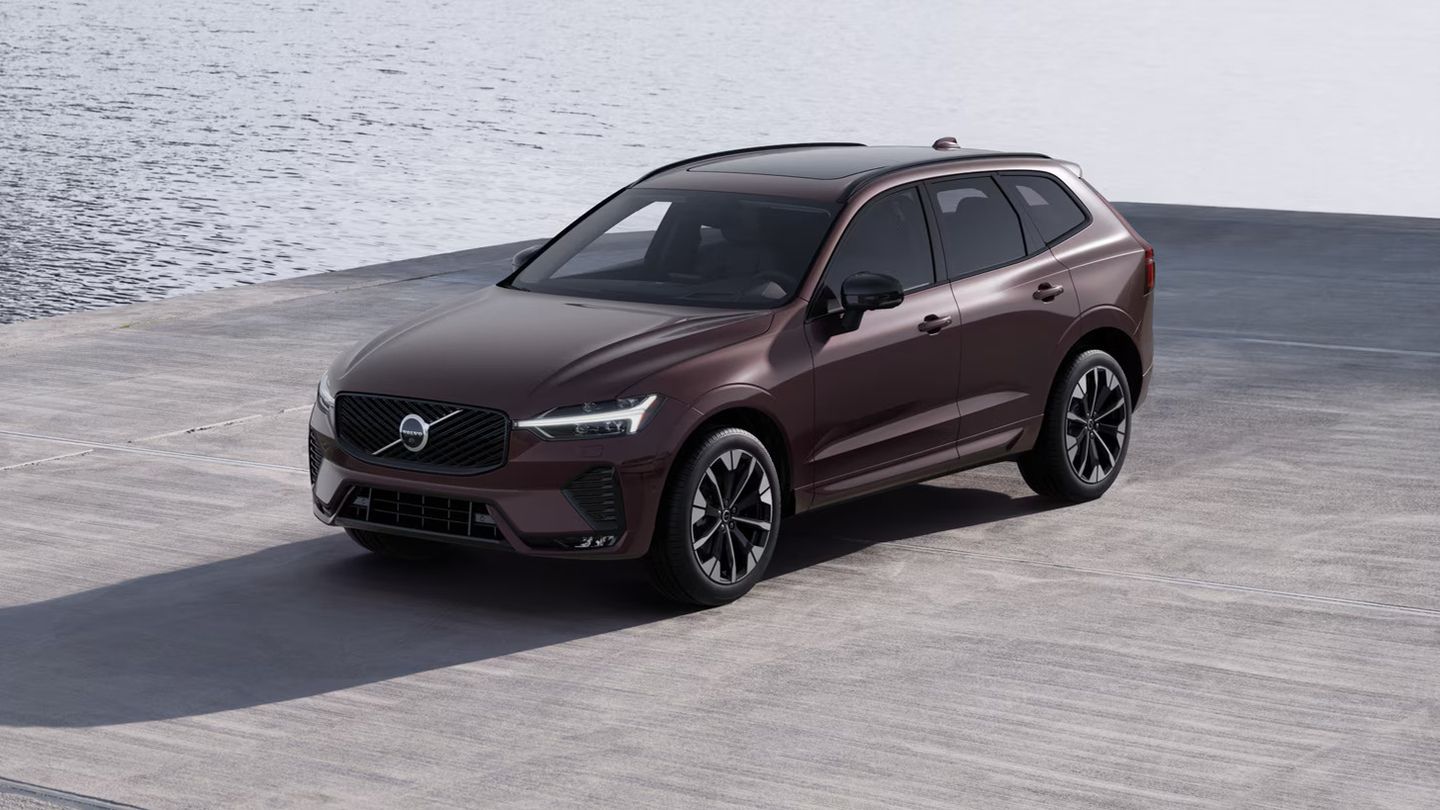
Is BLIS Standard on Every 2026 Volvo XC60 Trim?
Comparing 2026 Volvo XC60 trims can feel like reading a spreadsheet instead of shopping for an SUV. Ontario buyers usually land on one question...
Read more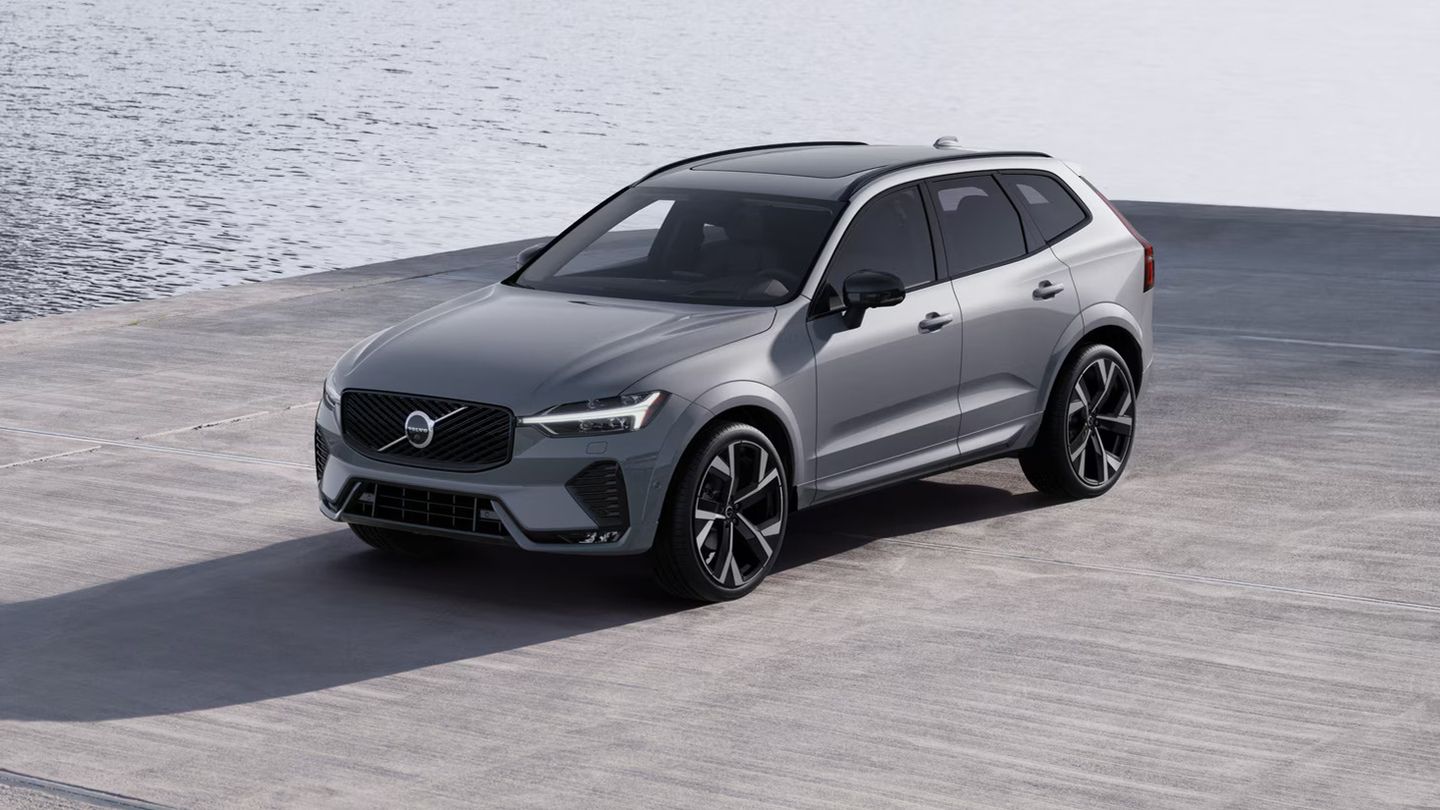
More Power: What the 2026 Volvo XC60 Polestar Engineered Adds
Shopping the XC60 lineup in Ontario often comes down to one question: how much performance do you actually want layered on top of a plug-in hybrid...
Read morePowered and developed by