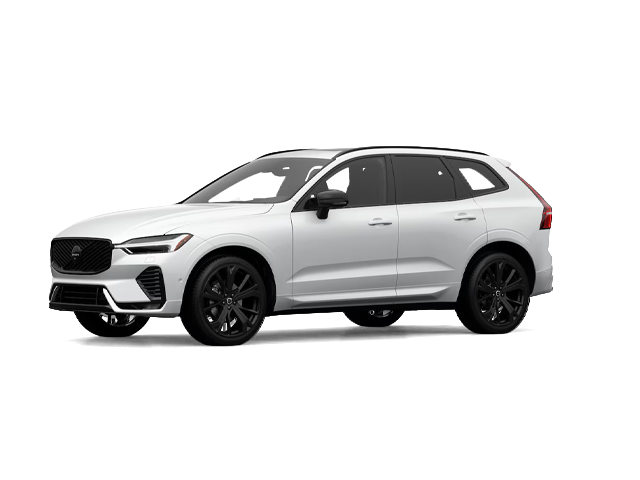
Photo for illustrative purposes only.
Find out moreVolvo Cars Villa
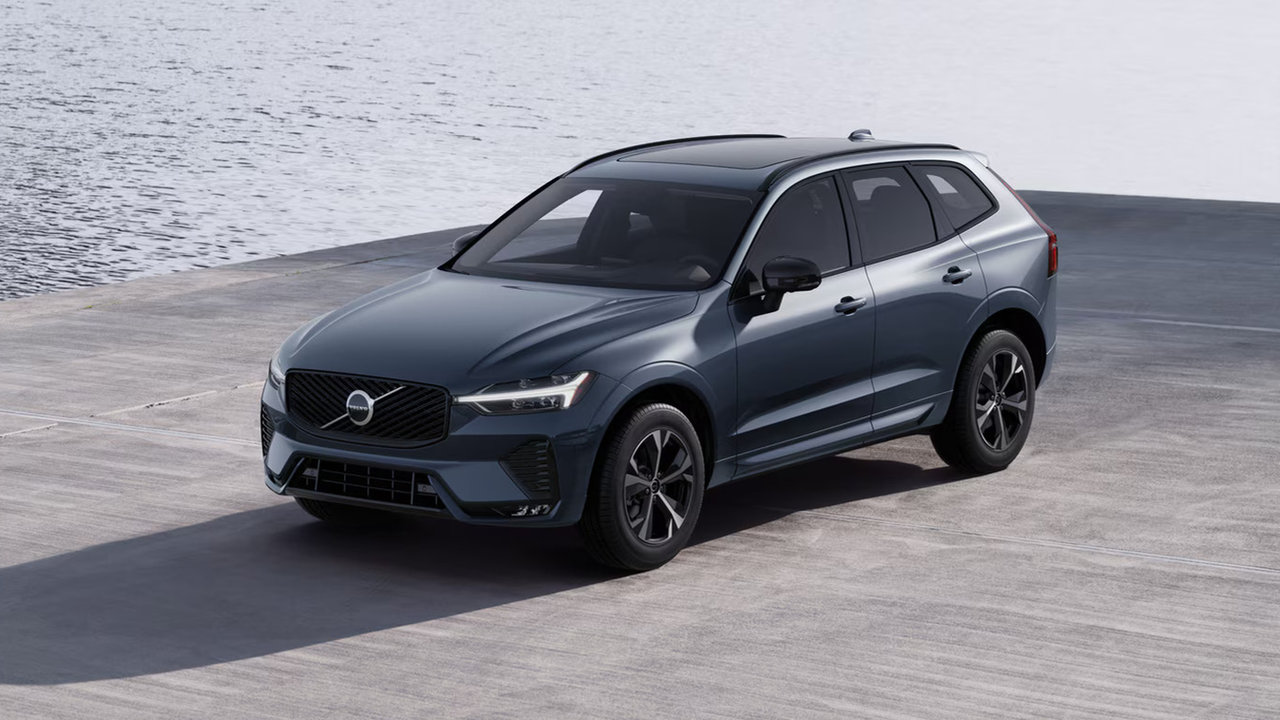
Thornhill families shopping for a premium Volvo face a practical choice: the wagon efficiency of the V60 Cross Country, the mid-size versatility of the XC60, or the three-row capacity of the XC90.
The V60 Cross Country offers 1431 L of cargo space in a wagon format. The XC60 steps up to 1543 L with traditional SUV height, while the XC90 maxes out at 1950 L across seven seats.
This comparison focuses on how each Volvo fits a Thornhill family's daily routine - school runs on Yonge Street, weekend trips to cottage country, and the occasional haul to Canadian Tire.
The V60 Cross Country runs a turbocharged 2.0L inline-four producing 247 hp, the XC60 lineup spans from a 247 hp mild hybrid to a 455 hp plug-in hybrid, and the XC90 offers both turbocharged and plug-in hybrid variants.
|
Feature |
V60 Cross Country |
XC60 (T8 PHEV) |
XC90 (PHEV) |
|
Powertrain |
2.0L Turbo ICE |
2.0L Turbo PHEV |
2.0L Turbo PHEV |
|
Power |
247 hp |
455 hp |
455 hp |
|
Torque |
258 lb-ft |
523 lb-ft |
523 lb-ft |
|
Fuel Economy (Combined) |
8.9 L/100km |
3.5 Le/100km |
3.8 L/100km |
|
Electric Range |
- |
50 km |
53 km |
|
Cargo Volume |
1431 L |
1543 L |
1950 L |
|
Seating Capacity |
5 |
5 |
5+7 |
|
Towing Capacity |
900 kg |
1500 kg |
- |
|
0-100 km/h |
6.9 seconds |
4.6 seconds |
- |
The higher ride height gives better sightlines in traffic, and the plug-in hybrid T8 variant delivers 58 km of electric range — enough to cover a round trip from Thornhill to downtown Toronto on battery alone if you charge overnight.
The V60 Cross Country's wagon format changes how you load cargo. The lower liftover height means you slide bags and strollers in at waist level instead of lifting them to chest height. The 1431 L cargo volume with seats up handles a week's groceries plus two hockey bags without folding the second row.
The XC60 counters with 1543 L and traditional SUV ground clearance. The plug-in hybrid T8 variant delivers 50 km of electric range - enough to cover a round trip from Thornhill to downtown Toronto on battery alone if you charge overnight.
The XC90 expands to 1950 L and adds third-row seating, which works for families with three or more kids or those who regularly shuttle carpool groups to school.
The V60 Cross Country achieves 8.9 L/100km combined with its turbocharged inline-four, which translates to predictable fuel costs without charging infrastructure requirements.
The XC60 T8 plug-in hybrid advertises 3.5 Le/100km combined, but that figure assumes consistent Level 2 charging access and daily commutes within the 50 km electric range.
Families with garage charging and a predictable 30 km round-trip commute to Richmond Hill or Markham see real savings. Those without home charging or who drive longer distances default to the gasoline engine, which pushes consumption closer to 8.5 L/100km.
The XC90 PHEV follows the same pattern with 53 km of electric range and 3.8 Le/100km combined. If your family can charge nightly and stay within electric range most days, the plug-in hybrids cut fuel costs.
If you cannot charge reliably or regularly exceed 60 km per trip, the V60 Cross Country's straightforward turbocharged efficiency delivers lower total cost of ownership without the infrastructure dependency.

The V60 Cross Country's 247 hp and 258 lb-ft of torque handle highway merges and passing manoeuvres confidently. The 0-100 km/h sprint takes 6.9 seconds, which is quick enough for overtaking slower traffic on Highway 404 or accelerating onto the 407 during morning commutes.
The XC60 T8 and XC90 PHEV variants jump to 455 hp and 523 lb-ft with their turbocharged and supercharged engines plus electric motor boost.
The XC60 T8 hits 100 km/h in 4.6 seconds, which is sports-sedan territory. That power advantage shows up when merging onto the 401 from short on-ramps or passing transport trucks on two-lane highways.
For families who prioritize fuel efficiency and rarely need aggressive acceleration, the V60 Cross Country's 247 hp delivers adequate performance without premium fuel requirements.
The V60 Cross Country includes 197 mm of ground clearance and 300 mm wading depth, which handles winter snowdrifts in unplowed parking lots and light gravel roads leading to Muskoka cottages.
The AWD system routes torque to all four wheels continuously, and the wagon's lower centre of gravity improves stability on icy roads compared to taller SUVs.
The XC60 and XC90 match that winter readiness with their own AWD systems and similar ground clearance. All three Volvos handle Ontario winters without drama.
All three Volvos run the same Android operating system with Google Maps, Google Play, and Google Gemini voice assistant. Over-the-air software updates keep the system current without dealership visits.
The V60 Cross Country, XC60, and XC90 share this technology foundation. Choose based on cargo needs and powertrain preference, not infotainment differences.
The V60 Cross Country handles 900 kg of braked trailer weight, which covers small utility trailers, lightweight camping trailers, and most bike racks.
The XC60 steps up to 1500 kg when properly equipped with the B5 AWD or T8 plug-in hybrid powertrain, which opens up mid-size camping trailers and larger boats.
If your family tows infrequently and stays under 2000 lbs, the V60 Cross Country's rating suffices. If you tow a mid-size trailer multiple times per season, the XC60's higher capacity justifies its added cost and size.
If your family prioritizes fuel efficiency and rarely needs a third row, the V60 Cross Country delivers 8.9 L/100km combined with wagon cargo access that simplifies daily loading tasks. The 1431 L cargo volume handles school gear, groceries, and weekend trips without requiring a larger platform.
If you need maximum cargo volume or third-row seating for a larger family, the XC90's 1950 L capacity and seven-seat configuration become decisive. The plug-in hybrid powertrain cuts fuel costs if you charge nightly and stay within the 53 km electric range most days, but adds complexity and premium fuel requirements when running on gasoline.
If you want the middle ground between wagon efficiency and three-row capacity, the XC60 offers 1543 L of cargo space with the option of a 455 hp plug-in hybrid powertrain. The T8 variant delivers sports-sedan acceleration and 50 km of electric range, which works for families with garage charging and daily commutes under 60 km.
Visit Volvo Cars Villa to explore all three models and confirm which configuration fits your family's specific driving patterns, cargo needs, and charging access.
Photo for illustrative purposes only.
Find out more
Planning an Ontario Fall Road Trip in Your Volvo XC90
A fall road trip can mean several hours on the highway, luggage in the back and weather that changes throughout the day. Having a vehicle that’s...
Read more
2026 Volvo XC40: What Are the Powertrains Offered?
Ontario driving asks a lot of a compact luxury SUV: highway commutes, tight downtown parking, gravel cottage roads, and everything between. The...
Read more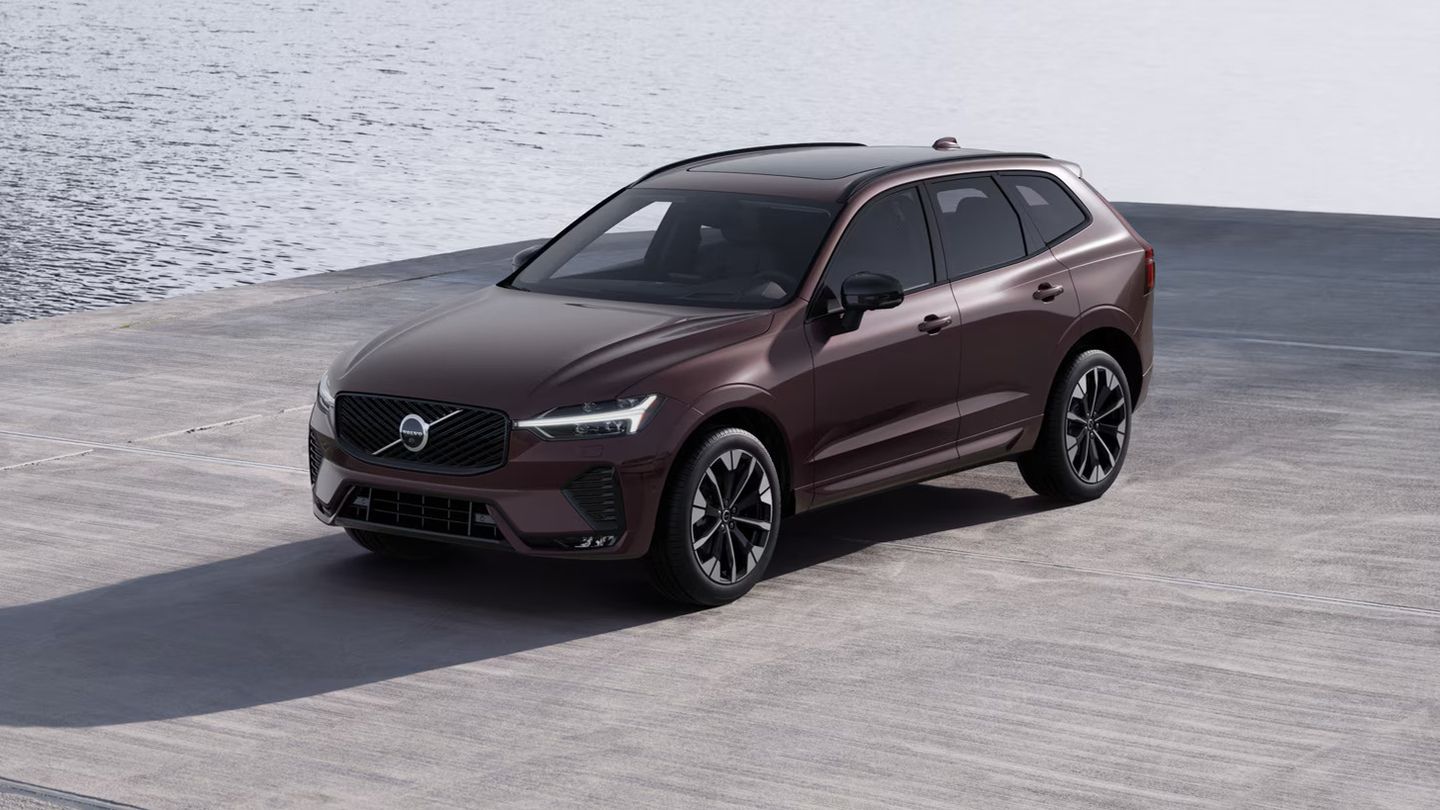
Is BLIS Standard on Every 2026 Volvo XC60 Trim?
Comparing 2026 Volvo XC60 trims can feel like reading a spreadsheet instead of shopping for an SUV. Ontario buyers usually land on one question...
Read morePowered and developed by