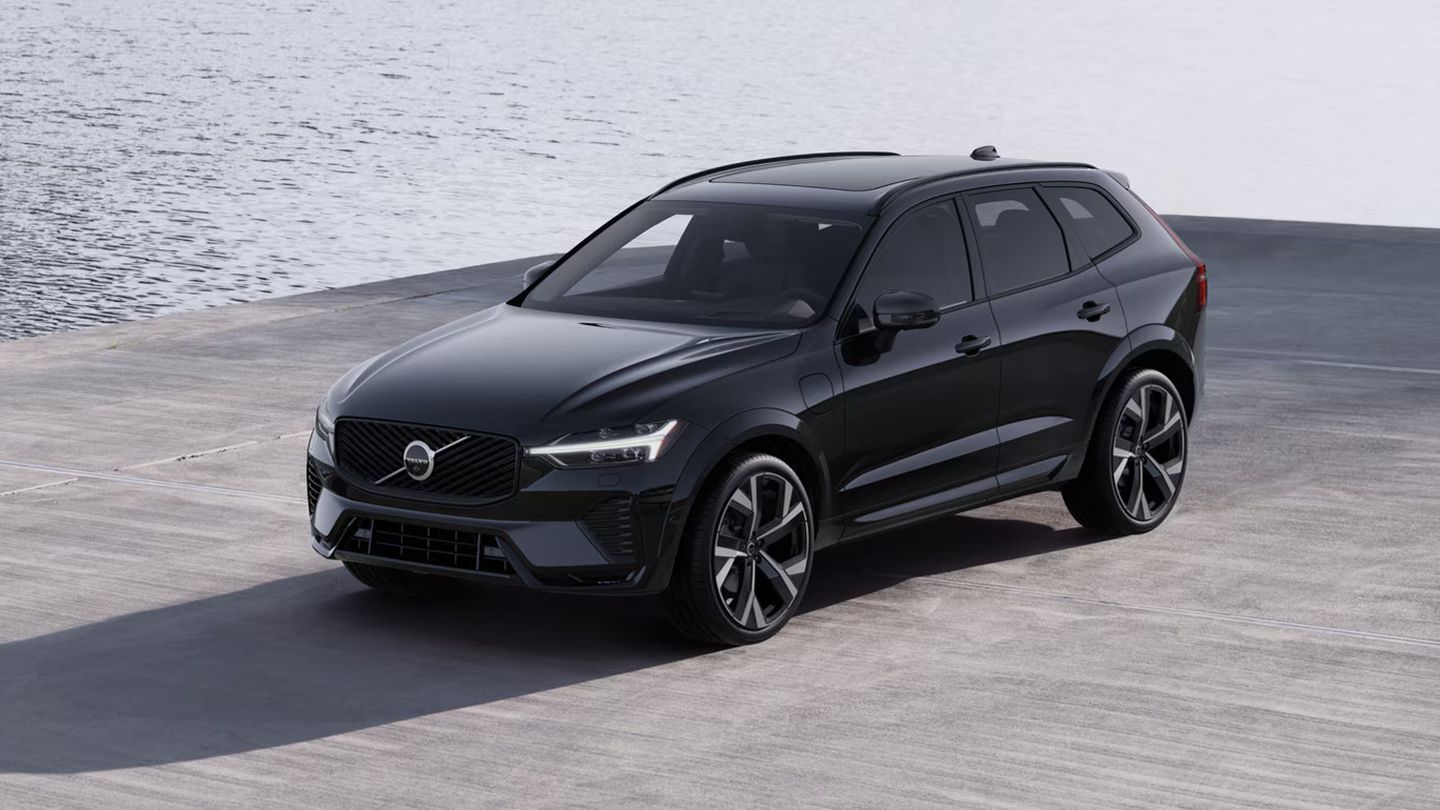
5 Comfort Details That Make the 2026 Volvo XC60 Ideal for Family Road Trips
A long weekend drive across Ontario tests a vehicle differently than a school run ever does. Kids get restless, coffee needs a place to sit, and...
Read moreVolvo Cars Villa


Modern vehicles offer more than just transportation—they provide layers of intelligent support designed to reduce driver stress and help prevent accidents before they happen. For families navigating busy Ontario highways or commuting through Thornhill's winter conditions, understanding how advanced driver assistance systems work can inform smarter vehicle choices.
Volvo has built its reputation on safety innovation spanning decades, from introducing the three-point safety belt in 1959 to developing today's sensor-based assistance technologies. These systems don't replace attentive driving, but they add valuable support during long highway stretches, stop-and-go traffic, or moments when distractions occur. Let's explore how these technologies function and what benefits they bring to everyday driving.
Advanced driver assistance systems use cameras, radar sensors, and sophisticated software to monitor your vehicle's surroundings continuously. Unlike basic features such as backup cameras, these systems actively intervene when they detect potential hazards or deviations from safe driving patterns.
Think of them as an extra set of eyes that never blink. Cameras track lane markings and read road signs, while radar measures distances to vehicles ahead and monitors blind spots. When combined, these inputs allow the vehicle to understand its position on the road and respond to changing conditions in real time.
Key functions include:
Pilot Assist represents Volvo's approach to semi-autonomous driving support, designed specifically for highway and expressway use. The system combines adaptive cruise control with lane-centring assistance, creating a more relaxed driving experience during long trips.
When activated on roads with clear lane markings, Pilot Assist maintains your set speed while automatically adjusting to slower traffic ahead. If the vehicle in front slows down or stops, your Volvo reduces speed accordingly—even bringing you to a complete halt in stop-and-go conditions. Once traffic moves again, gentle acceleration resumes without driver input.
Simultaneously, the system provides subtle steering adjustments to keep your vehicle centred within lane markings. This doesn't mean hands-free driving—you must keep your hands on the wheel and remain attentive. However, the system reduces the constant minor corrections needed during highway cruising, particularly helpful on Ontario's long stretches of Highway 400 or 401.
Pilot Assist capabilities:
Changing lanes in dense traffic creates moments of vulnerability, even for experienced drivers. Volvo's Blind Spot Information System (BLIS) addresses this by monitoring adjacent lanes for vehicles that may not be visible in your mirrors.
When BLIS detects a vehicle in your blind spot, a warning light appears in the corresponding side mirror. If you activate your turn signal while another vehicle occupies that space, the system can provide subtle steering correction to help keep you in your current lane. This active support goes beyond simple warnings—it adds a physical layer of assistance when collision risk exists.
The system proves particularly valuable during highway merges or navigating busy urban corridors in which vehicles frequently move between lanes. For drivers commuting through Toronto's congested routes or traveling to cottage country on summer weekends, BLIS reduces the stress of constant shoulder checks.
Perhaps the most critical safety function involves detecting and responding to imminent collisions. Volvo's collision avoidance technology monitors the road ahead for vehicles, pedestrians, cyclists, and large animals—day or night.
The system operates in stages. First, it provides visual and audible warnings if you're approaching an obstacle too quickly. If you don't respond and collision becomes imminent, automatic emergency braking engages to reduce impact severity or avoid the crash entirely.
This technology addresses one of the most common accident scenarios: distracted or delayed driver reaction. If you are momentarily distracted by a passenger, dealing with sudden weather changes, or simply didn't see a pedestrian step into the crosswalk, the system acts as a critical backup.
Key collision avoidance features:

Unintentional lane departure creates serious risks, particularly on highways where speed amplifies consequences. Volvo's Lane Keeping Aid monitors lane markings and detects when your vehicle begins drifting without an active turn signal.
If the system senses you're crossing the centre line into oncoming traffic, it can apply corrective steering to guide you back to a safer position. This intervention proves especially valuable during moments of fatigue or when road conditions make lane markings difficult to see.
The technology doesn't prevent intentional lane changes—it recognizes turn signal activation and allows normal driving maneuvers. It specifically targets those unintended drifts that often precede serious accidents.
Backing out of parking spaces with limited visibility—common in shopping centres or residential areas—presents unique challenges. Cross Traffic Alert addresses this by monitoring for vehicles approaching from either side while you reverse.
If the system detects a vehicle crossing behind you that you may not see, it provides warnings through visual and audible alerts. In situations where collision risk is high and you haven't responded, automatic braking can engage to prevent impact.
This feature adds confidence when navigating crowded parking areas or backing out of driveways with obstructed sightlines, situations Ontario drivers encounter regularly.
While advanced driver assistance systems provide valuable support, they have limitations worth understanding. Weather conditions such as heavy snow, rain, or fog can reduce sensor effectiveness. Lane markings covered by snow or faded paint may limit lane-keeping functions. The systems work best on well-maintained roads with clear markings.
Driver attention remains essential. These technologies assist and support—they don't replace the need for awareness and quick decision-making. You must keep hands on the wheel, eyes on the road, and be prepared to take control at any moment.
Regular maintenance also matters. Keeping sensors clean and ensuring proper calibration after windshield replacement or front-end repairs maintains system reliability.
|
System |
Primary Function |
|
Pilot Assist |
Maintains speed and lane position on highways with gentle steering and throttle control |
|
BLIS |
Monitors blind spots and provides steering support during lane changes |
|
Collision Avoidance |
Detects obstacles ahead and applies automatic braking if needed |
|
Lane Keeping Aid |
Corrects unintended lane departures, especially toward oncoming traffic |
|
Cross Traffic Alert |
Warns of approaching vehicles while reversing and can apply brakes |
Understanding how advanced driver assistance systems work helps you make informed decisions about vehicle safety features. These technologies represent meaningful steps toward reducing accidents and supporting drivers during challenging conditions common to Ontario roads.
If you're curious about experiencing these systems firsthand or have questions about how they function in real-world driving situations, the team at Volvo Cars Villa in Thornhill can provide detailed demonstrations and answer your questions. Exploring these features in person offers valuable insight into how they might enhance your daily driving experience.
5 Comfort Details That Make the 2026 Volvo XC60 Ideal for Family Road Trips
A long weekend drive across Ontario tests a vehicle differently than a school run ever does. Kids get restless, coffee needs a place to sit, and...
Read more
Welcoming First-Time Owners to the 2026 Volvo XC40’s Standard Safety Technology
Buying your first Volvo can feel like a big step, especially if safety tech is the reason you’re looking. The 2026 XC40 is built to answer that...
Read more
How Does the 2026 Volvo XC90’s Driver-Assist Suite Support Confident Family Driving?
School pickup lanes, condo garages, and a packed highway on a Friday afternoon all ask something different of a three-row SUV. The 2026 XC90...
Read morePowered and developed by