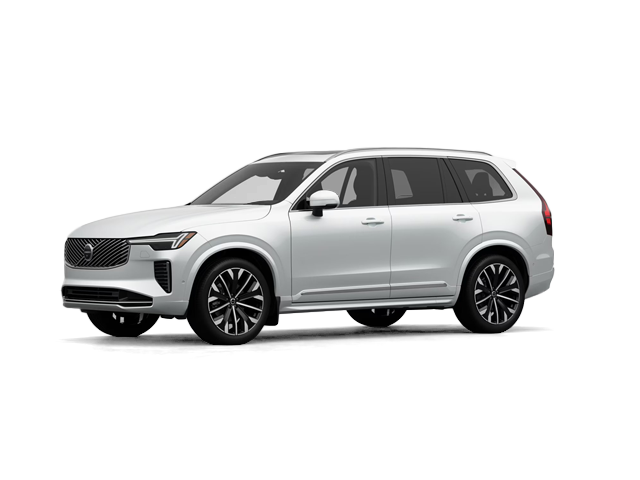
Photo for illustrative purposes only.
Find out moreVolvo Cars Villa

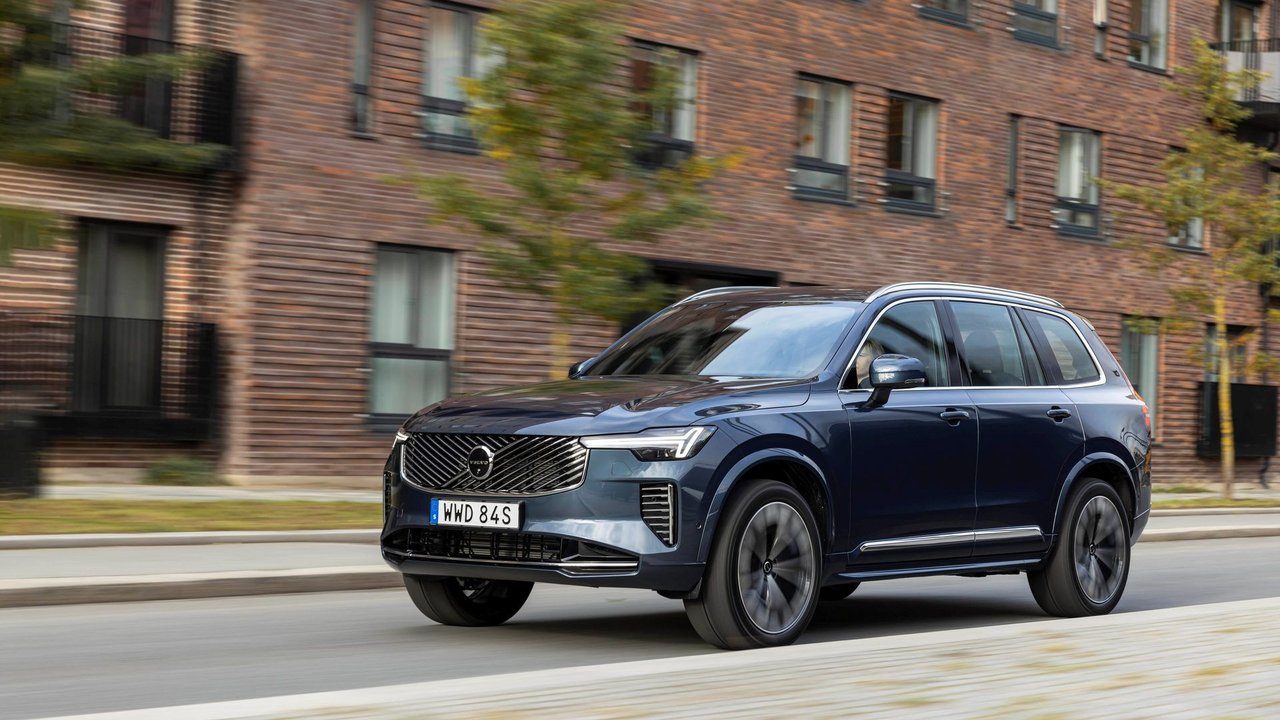
Thornhill drivers know the reality: Highway 7 at rush hour. Yonge Street gridlock. The 401 crawl. Stop-and-go traffic is daily life in the Greater Toronto Area. For years, conventional engines have wasted fuel in these conditions, burning gas while idling and losing momentum with every brake tap. Volvo's mild hybrid technology, identified by the "B" badge on models like the XC60 B5 AWD and V90 Cross Country, changes that equation with a 48-volt electrical system designed specifically for urban driving efficiency.
Unlike plug-in hybrids that require charging infrastructure, Volvo's mild hybrid system operates transparently in the background. It recovers energy during braking, stores it in a compact 48-volt lithium-ion battery, and deploys that power to assist the gasoline engine during acceleration. The result: measurably lower fuel consumption in the exact driving conditions Thornhill residents face most—without changing how you drive.
The "B" designation on Volvo models—B5 AWD, B6 AWD—signals the presence of an Integrated Starter Generator (ISG) paired with a 48-volt electrical architecture. This isn't a traditional hybrid with electric-only driving capability. Instead, it's an efficiency enhancement system that works alongside Volvo's turbocharged 2.0 L 4-cylinder engines.
The ISG replaces the conventional alternator and starter motor with a single belt-driven unit capable of both generating electrical power and providing mechanical assistance. Mounted directly to the engine, it delivers 13 hp and 30 lb-ft of torque of torque during acceleration events—enough to reduce the load on the gasoline engine during the most fuel-intensive moments of city driving.
The 48-volt battery sits compactly within the vehicle architecture, requiring no trunk space sacrifice or charging port. It charges exclusively through regenerative braking and engine operation, making the system entirely self-sufficient.
Every time you brake in traffic, conventional vehicles convert kinetic energy into waste heat through friction. Volvo's mild hybrid system captures a portion of that energy instead, converting it into electricity stored in the 48-volt battery.
Here's the technical sequence:
This process happens dozens of times during a typical Thornhill commute—every red light on Yonge, every merge onto the 404, every slowdown on Bayview. The cumulative effect reduces fuel consumption by recovering energy that would otherwise be lost.
Urban driving creates the worst conditions for fuel economy. Frequent stops eliminate momentum, forcing the engine to work hardest during acceleration from standstill. Idling at traffic lights burns fuel with zero forward progress. Volvo's mild hybrid system addresses both inefficiencies directly.
When you press the accelerator from a stop, the ISG provides immediate electric torque alongside the gasoline engine. This "e-boost" reduces the load on the engine during the fuel-intensive initial acceleration phase. The 2.0 L turbocharged engine doesn't have to work as hard to move the vehicle from rest, cutting fuel consumption during the most demanding moment of each stop-and-go cycle.
The 48-volt system enables smoother, faster engine restarts compared to conventional 12-volt start-stop systems. The ISG can restart the engine almost instantaneously—imperceptible to the driver—making the start-stop function more effective in real-world traffic conditions. The engine shuts off during brief stops, eliminating idle fuel consumption, then restarts seamlessly when you're ready to move.
In combined city/highway driving, Volvo's mild hybrid system can reduce fuel consumption and emissions by up to 15 per cent compared to non-hybrid versions of the same engine. The gains concentrate in urban environments where stop-and-go driving dominates.
Consider three typical driving situations in Thornhill and how mild hybrid technology responds:
Each traffic light represents a complete stop-and-go cycle. The mild hybrid system recovers energy during 12–15 braking events, then deploys that stored power during 12–15 acceleration events. Over this short distance, the cumulative fuel savings become measurable—particularly when repeated daily.
Highway congestion creates continuous micro-braking and acceleration events. The mild hybrid system operates almost continuously in this environment, repeatedly cycling between energy recovery and e-boost assist. The 48-volt battery handles hundreds of charge-discharge cycles during a single commute.
Short trips in urban areas represent the least efficient driving for conventional vehicles—engines never reach optimal operating temperature, and stop-and-go frequency is highest. Mild hybrid assistance provides proportionally greater benefit here, reducing fuel waste during cold starts and frequent stops.
Volvo offers two mild hybrid configurations across its lineup, each optimized for different performance priorities:
The B5 prioritizes efficiency and refinement. The single turbocharger provides strong low-end torque, while the mild hybrid system smooths power delivery and reduces fuel consumption in city driving. Fuel economy in the XC60 B5 AWD reaches approximately 9.6 L/100 km combined—competitive for a midsize luxury SUV with all-wheel drive.
The B6 adds a supercharger alongside the turbocharger for enhanced performance. The dual-charging system eliminates turbo lag and provides stronger acceleration, while the mild hybrid system continues to recover braking energy and assist during acceleration. The V90 Cross Country B6 AWD delivers 295 hp while maintaining 9.5 L/100 km combined fuel economy—strong efficiency for a performance-oriented luxury wagon.
Both variants use the same 48-volt mild hybrid architecture. The ISG provides identical electric assistance regardless of engine configuration, ensuring consistent efficiency benefits across the lineup.

|
Feature |
B5/B6 Mild Hybrid |
T8 Plug-In Hybrid |
|
Electric-Only Driving |
No |
Yes (~55 km) |
|
Charging Required |
No |
Yes (home/public) |
|
Fuel Economy (Combined) |
8.7–9.6 L/100 km |
2.5 Le/100 km* |
|
System Complexity |
Low |
High |
|
Purchase Premium |
Moderate |
High |
|
Maintenance |
Standard |
Battery service required |
*Le/100 km = Litres equivalent per 100 km (includes electric consumption)
Mild hybrids occupy the efficiency middle ground. They deliver measurable fuel savings without the infrastructure requirements or cost premium of plug-in hybrids, while maintaining the operational simplicity of conventional gasoline vehicles. For drivers without home charging access or those who frequently exceed electric-only range, mild hybrids provide efficiency gains without workflow changes.
Understanding the limitations clarifies expectations:
The 48-volt system cannot propel the vehicle independently. The gasoline engine runs whenever the vehicle moves. The ISG provides assistance, not replacement.
There's no charging port, no home charger installation, no public charging stops. The system charges exclusively through regenerative braking and engine operation.
Steady-speed highway cruising offers minimal regenerative braking opportunities. Mild hybrid benefits concentrate in urban environments with frequent speed changes. Highway fuel economy remains similar to non-hybrid variants.
The 13 hp from the ISG improves efficiency, not acceleration times. Power delivery feels smoother, but 0–100 km/h times remain essentially unchanged compared to non-hybrid versions.
Mild hybrids excel at one specific task: reducing fuel consumption in stop-and-go traffic through energy recovery and electric assist. They don't attempt to replace the engine or enable electric-only commuting.
The 48-volt mild hybrid system adds minimal maintenance complexity compared to conventional vehicles:
Volvo's 48-volt lithium-ion battery is designed for the vehicle's lifespan. Unlike plug-in hybrid batteries that undergo deep discharge cycles, mild hybrid batteries operate within a narrow charge window (typically 40–60 per cent capacity), reducing stress and extending life. No routine battery replacement is anticipated under normal use.
The Integrated Starter Generator is a belt-driven component subject to similar wear as conventional alternators. Belt inspection and replacement follow standard service intervals. The unit itself is sealed and requires no routine maintenance beyond visual inspection.
The 48-volt system includes dedicated cooling to maintain optimal battery temperature. Coolant levels and condition are checked during regular service appointments—no additional maintenance beyond existing engine cooling system care.
Volvo provides comprehensive warranty coverage for hybrid components, typically matching or exceeding conventional powertrain coverage. Specific terms vary by model year and market—confirm details with Volvo Cars Villa.
Volvo's mild hybrid system operates transparently. There's no hybrid-specific driving mode to select, no battery charge gauge to monitor, no behaviour change required. You drive normally—accelerate, brake, navigate traffic—and the system works in the background.
The only indicators are subtle: slightly lower fuel consumption readings on the trip computer, smoother engine restarts at traffic lights, marginally quieter operation during deceleration. The technology doesn't demand attention or adjustment. It simply reduces fuel waste during the driving conditions Thornhill residents encounter most.
For drivers prioritizing efficiency without operational complexity, that invisible operation is precisely the point. The "B" badge signals technology that works for you, not technology you work around.
Volvo's 48-volt mild hybrid system addresses a specific challenge: urban fuel efficiency in stop-and-go traffic. It recovers braking energy, assists during acceleration, and reduces idle fuel consumption—all without requiring charging infrastructure or driving behaviour changes. For Thornhill drivers navigating daily congestion on Yonge, the 401, and Highway 7, the cumulative fuel savings translate to measurable cost reduction and lower emissions.
Visit our team at Volvo Cars Villa in Thornhill to experience how mild hybrid technology performs in real-world GTA driving conditions. Test drive the XC60 B5 AWD, explore the V90 Cross Country B6, or discuss which Volvo powertrain—mild hybrid, plug-in hybrid, or fully electric—aligns with your driving patterns and efficiency priorities.
Photo for illustrative purposes only.
Find out more
2026 Volvo XC40: What Are the Powertrains Offered?
Ontario driving asks a lot of a compact luxury SUV: highway commutes, tight downtown parking, gravel cottage roads, and everything between. The...
Read more
Is BLIS Standard on Every 2026 Volvo XC60 Trim?
Comparing 2026 Volvo XC60 trims can feel like reading a spreadsheet instead of shopping for an SUV. Ontario buyers usually land on one question...
Read more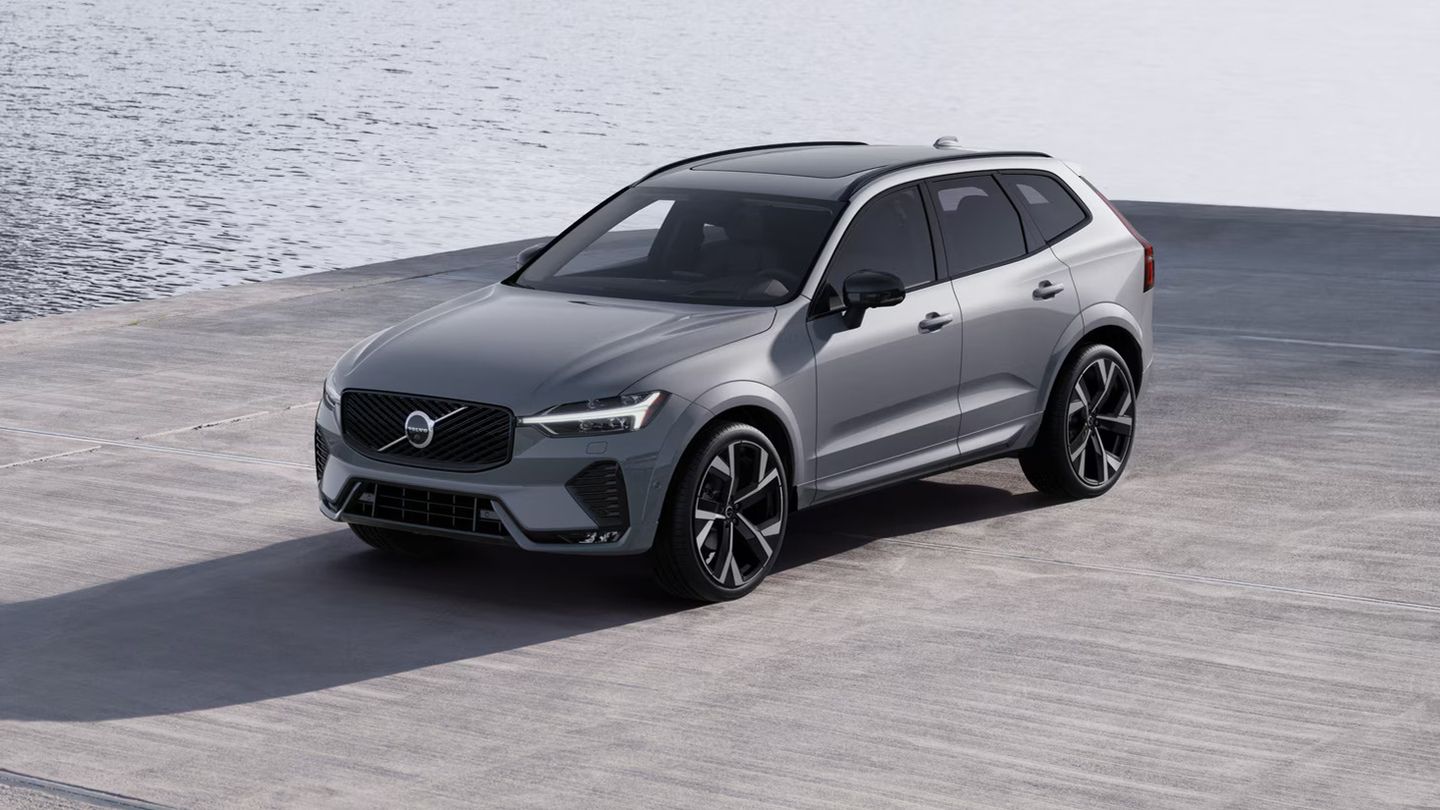
More Power: What the 2026 Volvo XC60 Polestar Engineered Adds
Shopping the XC60 lineup in Ontario often comes down to one question: how much performance do you actually want layered on top of a plug-in hybrid...
Read morePowered and developed by