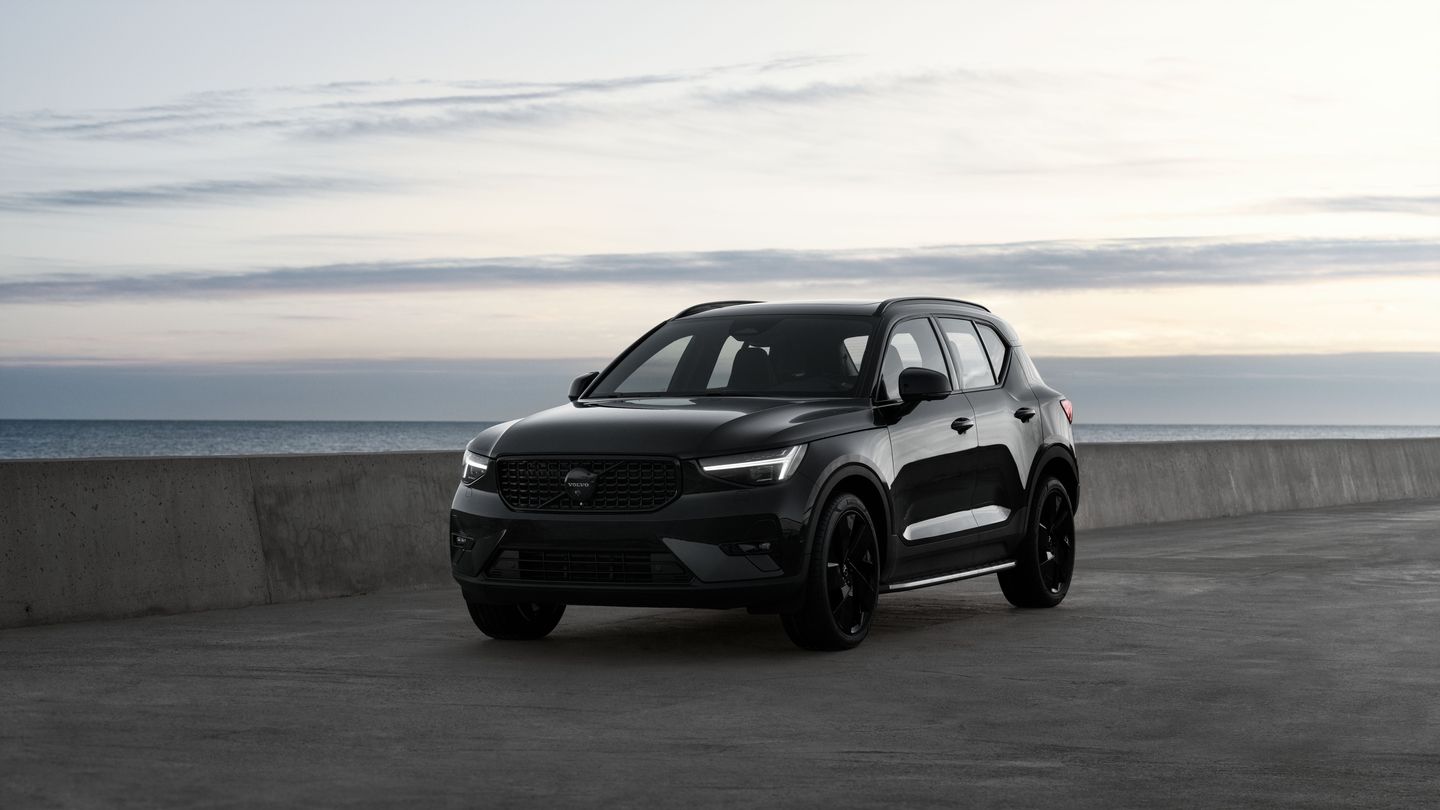
2026 Volvo XC40: What Are the Powertrains Offered?
Ontario driving asks a lot of a compact luxury SUV: highway commutes, tight downtown parking, gravel cottage roads, and everything between. The...
Read moreVolvo Cars Villa

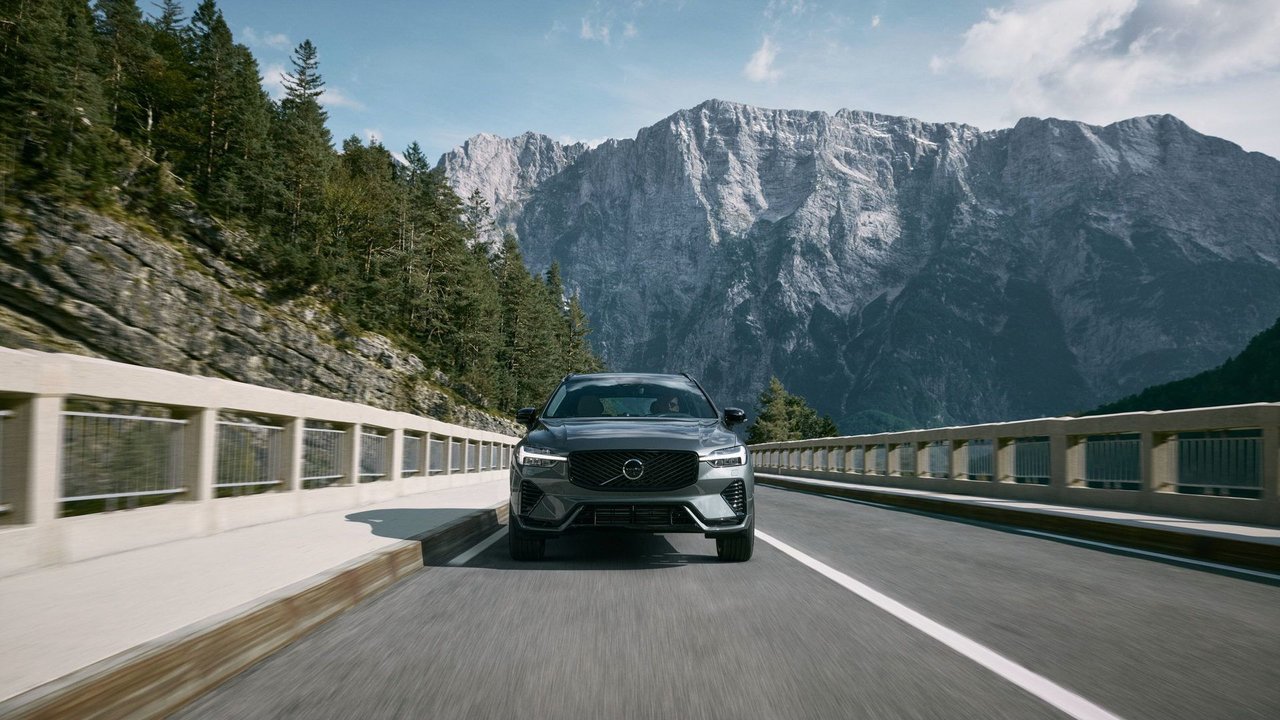
Commuting through the Don Valley Parkway or Highway 404 during rush hour tests any driver's patience. The constant acceleration, braking, and lane monitoring required in dense traffic can turn a routine drive into an exhausting experience. Volvo's Pilot Assist technology addresses these challenges with features built for congested urban highways.
The system combines adaptive cruise control with lane-keeping assistance to reduce driver workload. Radar and camera sensors monitor the road ahead and lane markings, maintaining a safe following distance while providing steering support to keep the vehicle centred in its lane.
Pilot Assist uses radar to track vehicles ahead and cameras to detect lane markings. In heavy traffic, the system handles complete stops and automatically resumes movement when traffic flows again. The driver remains responsible for monitoring conditions and can override the system at any time.
The technology handles the repetitive tasks that make congested commutes tiring: maintaining following distance, adjusting speed to match traffic flow, and keeping the vehicle centred in the lane.
Ontario's major highways present challenges that test driver assistance systems. The DVP's tight curves, frequent lane merges, and variable traffic speeds require constant attention. Highway 404's mix of commercial and commuter traffic creates unpredictable patterns of acceleration and deceleration.
Pilot Assist addresses these conditions through continuous monitoring and adjustment. When traffic slows unexpectedly—common during the morning rush into Toronto—the system applies progressive braking. As traffic begins moving again, acceleration resumes smoothly.
The lane-keeping component detects lane markings even in areas with construction or lane shifts, maintaining proper positioning without requiring constant steering corrections from the driver.
For drivers who regularly navigate congested routes, Pilot Assist changes the commuting experience in specific scenarios:
Morning Rush Hour (7:00–9:30 AM): When traffic on the 404 crawls between major interchanges, Pilot Assist manages the stop-start pattern while the driver focuses on monitoring surrounding vehicles and preparing for lane changes.
Evening Commute (4:00–6:30 PM): Dense traffic on the DVP often involves extended periods at 40–60 km/h with frequent slowdowns. Pilot Assist maintains appropriate following distances and handles speed variations without driver intervention.
Construction Zones: Temporary lane shifts and reduced speeds require careful attention. Pilot Assist continues functioning in these conditions, though drivers must remain alert to unusual situations.

Pilot Assist functions as a support tool, not an autonomous driving solution. Drivers must keep their hands on the wheel and remain ready to take control at any moment.
Certain conditions limit system effectiveness:
The system monitors driver engagement through steering wheel sensors. If it detects the driver isn't actively holding the wheel, it provides escalating warnings before disengaging.
Volvo's implementation of Pilot Assist prioritizes smooth, predictable behaviour. The system aims to feel like an extension of natural driving: acceleration feels gradual, braking develops progressively, and steering corrections remain subtle.
The 2026 XC60 receives updates to its infotainment system, including the next-generation Snapdragon Cockpit Platform from Qualcomm Technologies. This platform delivers more than twice the processing speed of the previous system, with 10× faster graphics generation. The contextual bar in the updated user interface adapts to driving conditions, displaying relevant information based on speed and situation.
Operating Pilot Assist requires minimal setup. Drivers activate the system through steering wheel controls, set their desired maximum speed and following distance, and the technology engages. The system clearly indicates its status through the driver display, showing when it's actively controlling speed and steering.
In stop-and-go traffic, Pilot Assist automatically handles complete stops. After longer stops, a simple tap of the accelerator or resume button reactivates the system.
Pilot Assist functions as part of a comprehensive safety system. The same sensors that enable assisted driving also power collision avoidance features. If Pilot Assist detects a potential collision that requires more aggressive intervention than its normal operation allows, it can apply full emergency braking.
This layered approach means drivers benefit from multiple levels of protection. Pilot Assist handles routine traffic management, while additional safety systems remain ready to intervene in critical situations.
Volvo delivers software updates to approximately 2.5 million vehicles globally, including models built as early as 2020. These updates can refine system behaviour, add capabilities, and improve performance based on real-world data.
For drivers purchasing 2026 models, this means the Pilot Assist system they experience at delivery will continue evolving. Updates can address edge cases and improve smoothness—all without requiring a dealership visit.
Our team at Volvo Cars Villa in Thornhill invites you to experience the Pilot Assist system. Contact us to arrange a test drive during typical traffic conditions.
2026 Volvo XC40: What Are the Powertrains Offered?
Ontario driving asks a lot of a compact luxury SUV: highway commutes, tight downtown parking, gravel cottage roads, and everything between. The...
Read more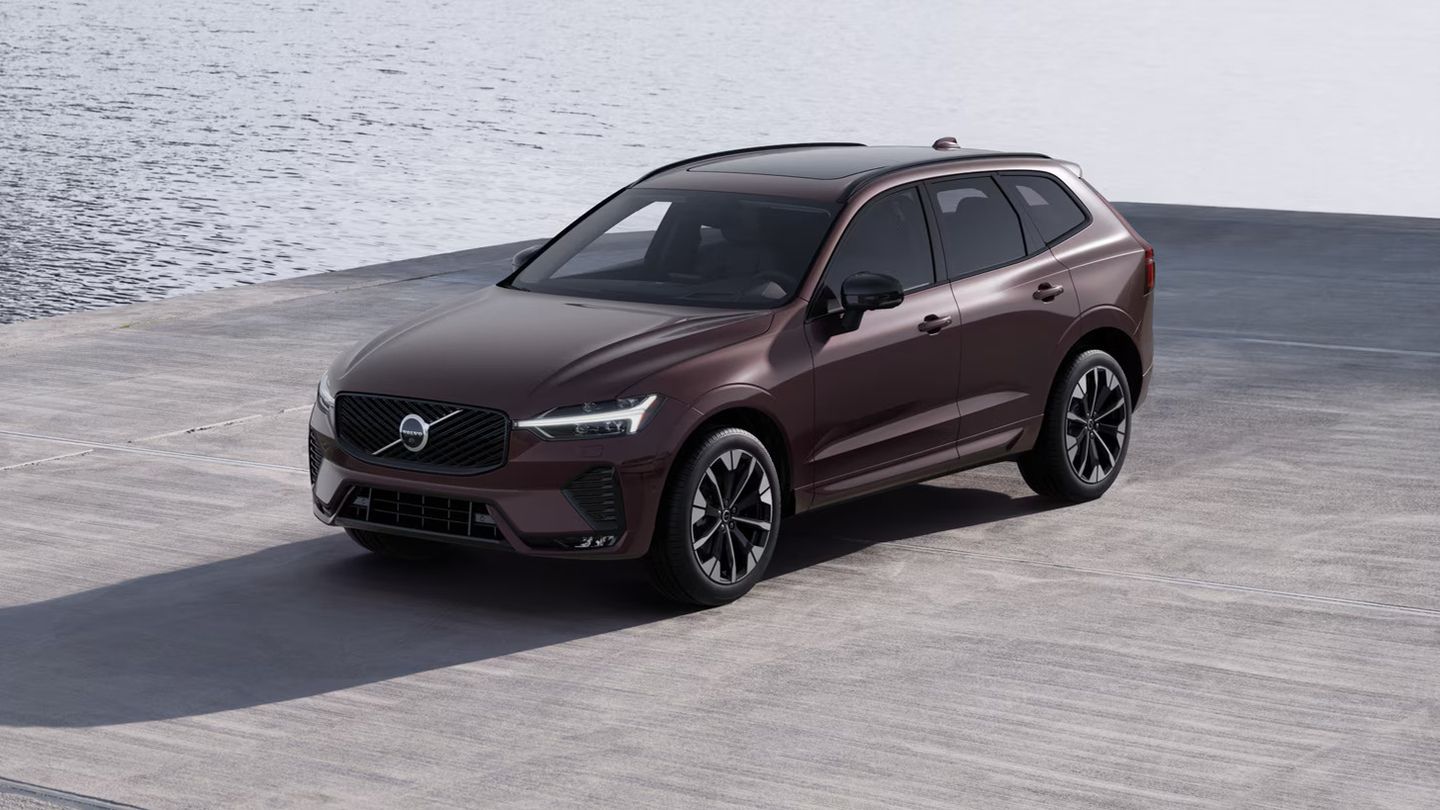
Is BLIS Standard on Every 2026 Volvo XC60 Trim?
Comparing 2026 Volvo XC60 trims can feel like reading a spreadsheet instead of shopping for an SUV. Ontario buyers usually land on one question...
Read more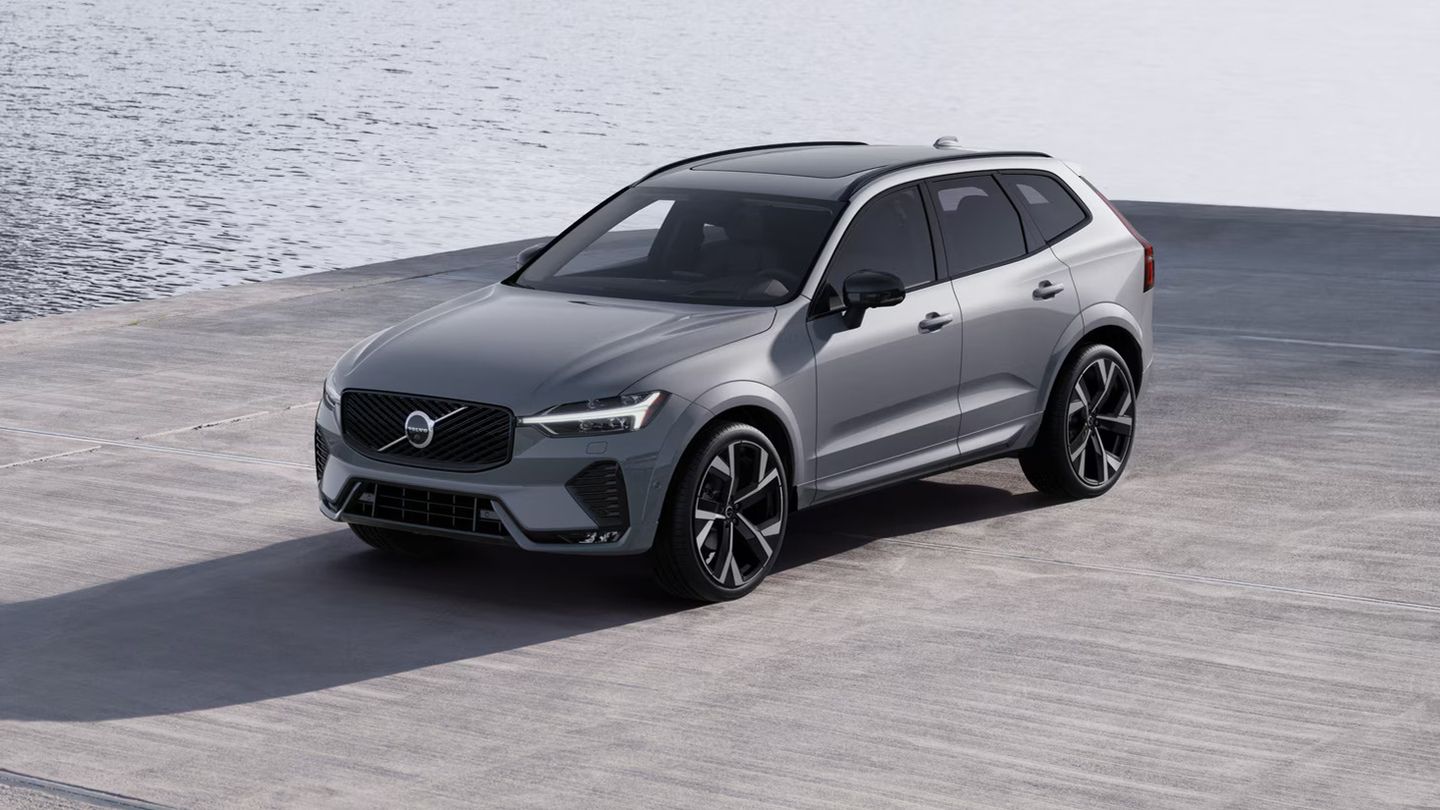
More Power: What the 2026 Volvo XC60 Polestar Engineered Adds
Shopping the XC60 lineup in Ontario often comes down to one question: how much performance do you actually want layered on top of a plug-in hybrid...
Read morePowered and developed by