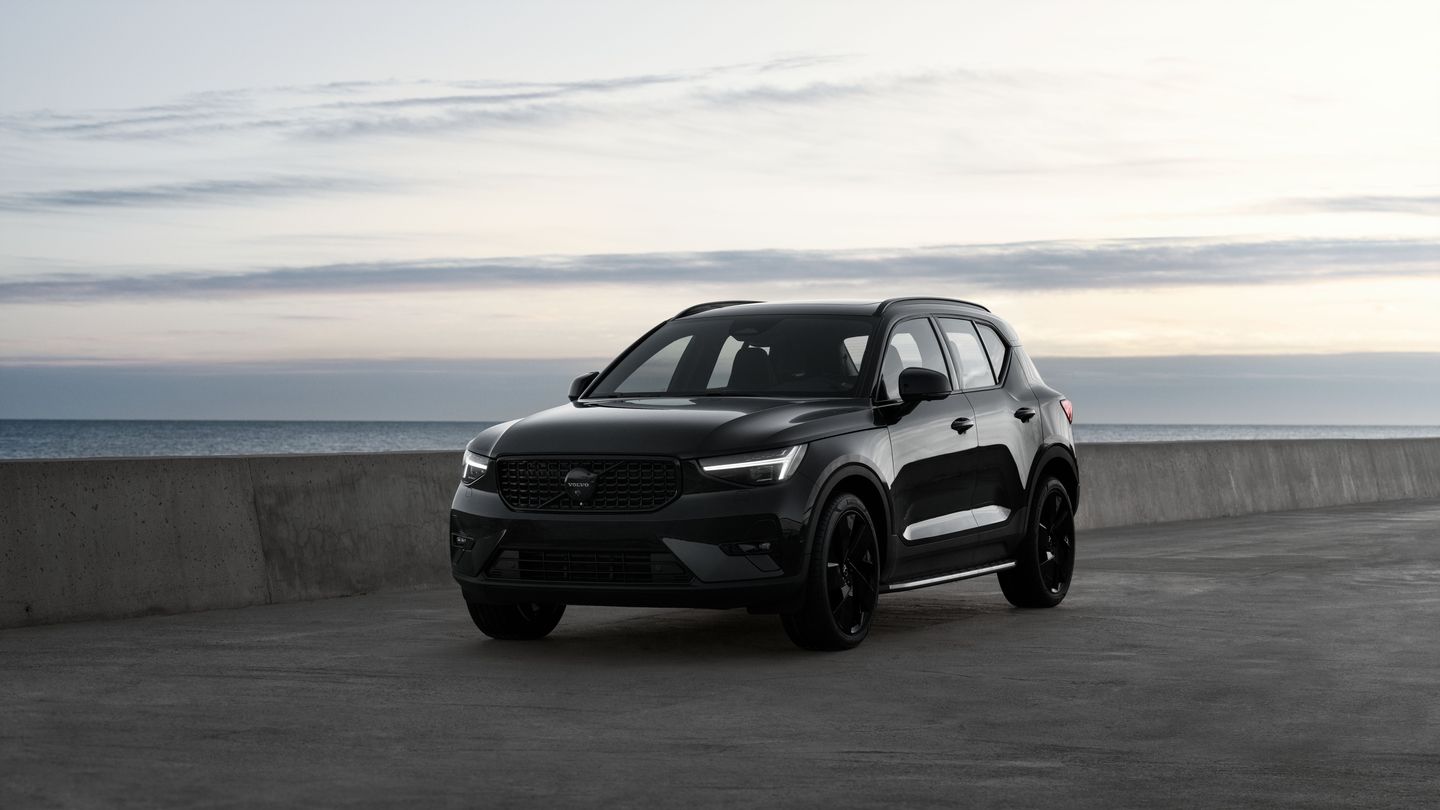
2026 Volvo XC40: What Are the Powertrains Offered?
Ontario driving asks a lot of a compact luxury SUV: highway commutes, tight downtown parking, gravel cottage roads, and everything between. The...
Read moreVolvo Cars Villa

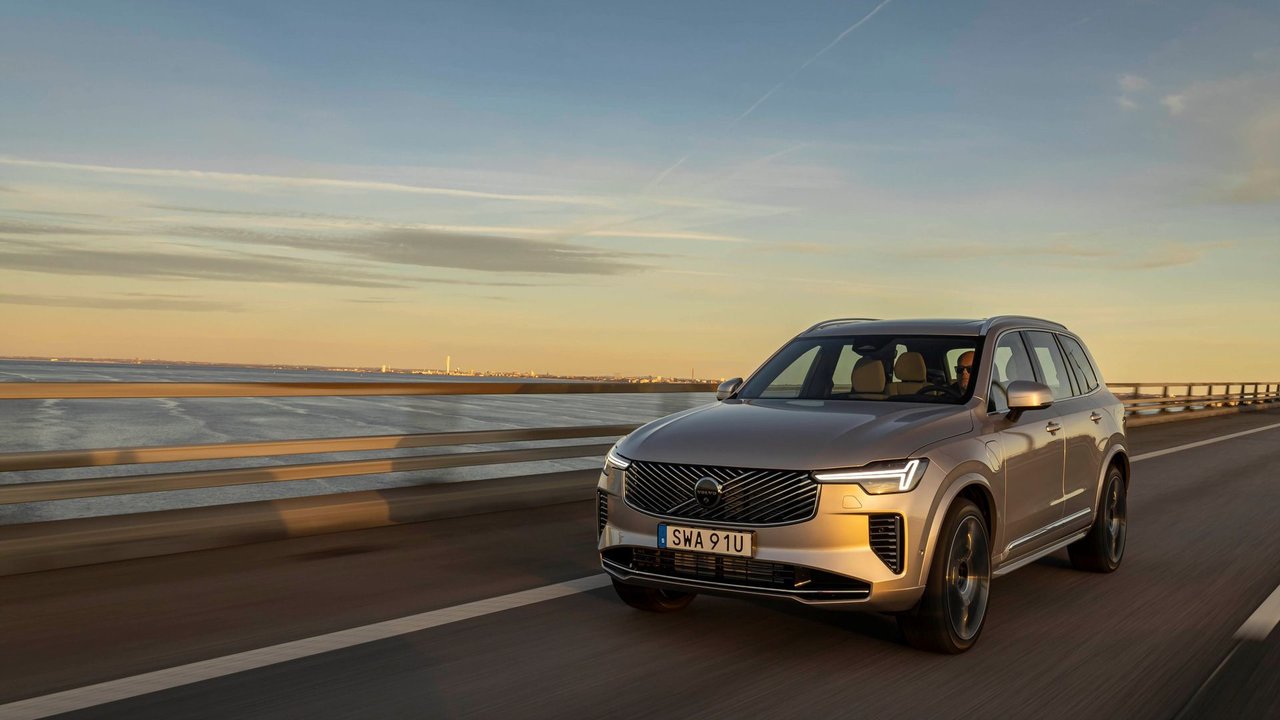
School pickup lanes, condo garages, and a packed highway on a Friday afternoon all ask something different of a three-row SUV. The 2026 XC90 answers with a support suite built around visibility, low-speed control, and steady highway assistance, so an Ontario family spends less energy just placing the vehicle.
The details change by trim, though. Core, Plus, and Ultra each hand the driver a different level of camera coverage, parking help, and convenience tech, and knowing which is which matters more than the marketing copy suggests.
The XC90’s support tech splits into two jobs: keeping the driver aware, and keeping the car controlled. Awareness comes from the 12.3-inch driver display, the 11.2-inch centre display, a rain sensor, auto-dimmed rear-view mirrors, and headlight cleaning that keeps the beams clear in road spray.
Control comes from Pilot Assist, adaptive cruise control, Lane Keeping Aid, Road Sign Information, BLIS with Cross Traffic Alert, and Rear Collision Warning. These are the systems doing quiet work on a commute, not the ones a driver has to think about turning on.
Pilot Assist and adaptive cruise control use the car’s sensors to hold a set following distance and nudge steering toward the centre of the lane on the highway. Lane Keeping Aid corrects a drift back into the lane before it becomes a swerve.
BLIS watches the blind spots beside the car and Cross Traffic Alert covers what’s approaching from the side when reversing out of a parking space. Rear Collision Warning reads a closing vehicle from behind and tightens the safety belts if a hit looks unavoidable.
At low speed, adaptive power steering lightens the effort needed to turn the wheel, which matters most in the parking systems described below. Hill Descent Control manages speed on a steep driveway or ramp without the driver riding the brake the whole way down.
A full-size three-row SUV is not a small car to place in a school pickup line or a condo garage stall, and the XC90’s camera and parking systems exist for exactly that moment. The difference between a rear camera alone and a full 360° view around the car changes how confidently a driver backs toward a curb with kids nearby.
Weather shifts test the same suite differently. Slippery Road Alert, adaptive power steering, and the comfort chassis with FSD damper technology are available across Core, Plus, and Ultra, so a driver gets the same underlying response to a slick on-ramp or a sudden downpour regardless of trim chosen.

Camera coverage and parking assistance are where the trims genuinely diverge, and that’s the decision most families should focus on rather than the badge.
|
Feature |
Core |
Plus |
Ultra |
|
Rear camera (standalone) |
Available |
Unavailable |
Unavailable |
|
360° camera |
Unavailable |
Available |
Available |
|
Park assist, front, rear and sides |
Unavailable |
Available |
Available |
|
Park assist, rear and front only |
Available |
Unavailable |
Unavailable |
|
Head-up display |
Unavailable |
Unavailable |
Available |
|
Integrated booster cushion |
Unavailable |
Available |
Optional |
Core covers the essentials: Pilot Assist, adaptive cruise control, BLIS, Cross Traffic Alert, and a rear-only camera with front-and-rear park assist. It suits a driver who wants the core assistance systems without the added camera coverage.
Plus is where parking support steps up. The 360° camera and park assist on all three sides give a clearer picture in a tight condo garage or a crowded pickup lane, and the integrated booster cushion becomes available for families who need it built in rather than added.
Ultra adds the head-up display, projecting speed and guidance into the driver’s line of sight so eyes stay up in heavy traffic. It also carries the most complete confidence-and-convenience setup, with the booster cushion offered as an optional configuration alongside the same 360° camera and full park assist found on Plus.
Across all three trims, ISOFIX mounting points, whiplash injury protection, and power folding outer rear head restraints on the second row stay consistent, so the difference between trims is about awareness and parking support, not core occupant protection.
Day-to-day coordination runs through the same interface regardless of trim: the centre display, driver display, steering-wheel controls, and Google-based functions including Google Maps and the Volvo Cars app, alongside Apple CarPlay and Android Auto, are available on Core, Plus, and Ultra alike.
The 2026 XC90’s driver-assist and parking systems are built to reduce the mental load of a three-row SUV in daily use, from a rainy commute to a tight school pickup lane. How much of that support a driver gets depends on the trim, particularly around cameras and parking assistance.
Visit Volvo Cars Villa in Thornhill to see the difference between Core, Plus, and Ultra firsthand, and book a test drive to compare the 360° camera, park assist coverage, and head-up display across trims before deciding which fits your family’s routine.
2026 Volvo XC40: What Are the Powertrains Offered?
Ontario driving asks a lot of a compact luxury SUV: highway commutes, tight downtown parking, gravel cottage roads, and everything between. The...
Read more
Is BLIS Standard on Every 2026 Volvo XC60 Trim?
Comparing 2026 Volvo XC60 trims can feel like reading a spreadsheet instead of shopping for an SUV. Ontario buyers usually land on one question...
Read more
More Power: What the 2026 Volvo XC60 Polestar Engineered Adds
Shopping the XC60 lineup in Ontario often comes down to one question: how much performance do you actually want layered on top of a plug-in hybrid...
Read morePowered and developed by