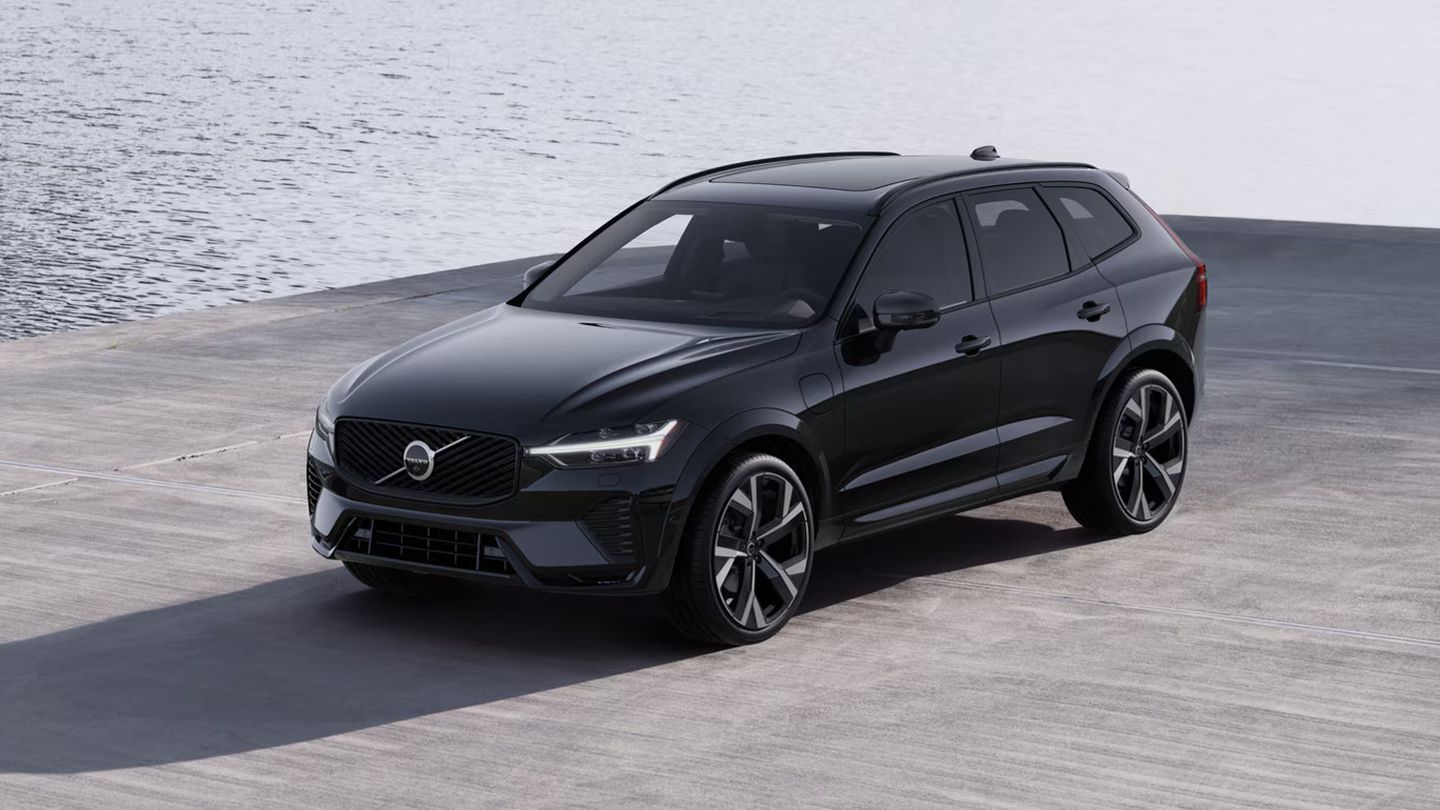
5 Comfort Details That Make the 2026 Volvo XC60 Ideal for Family Road Trips
A long weekend drive across Ontario tests a vehicle differently than a school run ever does. Kids get restless, coffee needs a place to sit, and...
Read moreVolvo Cars Villa

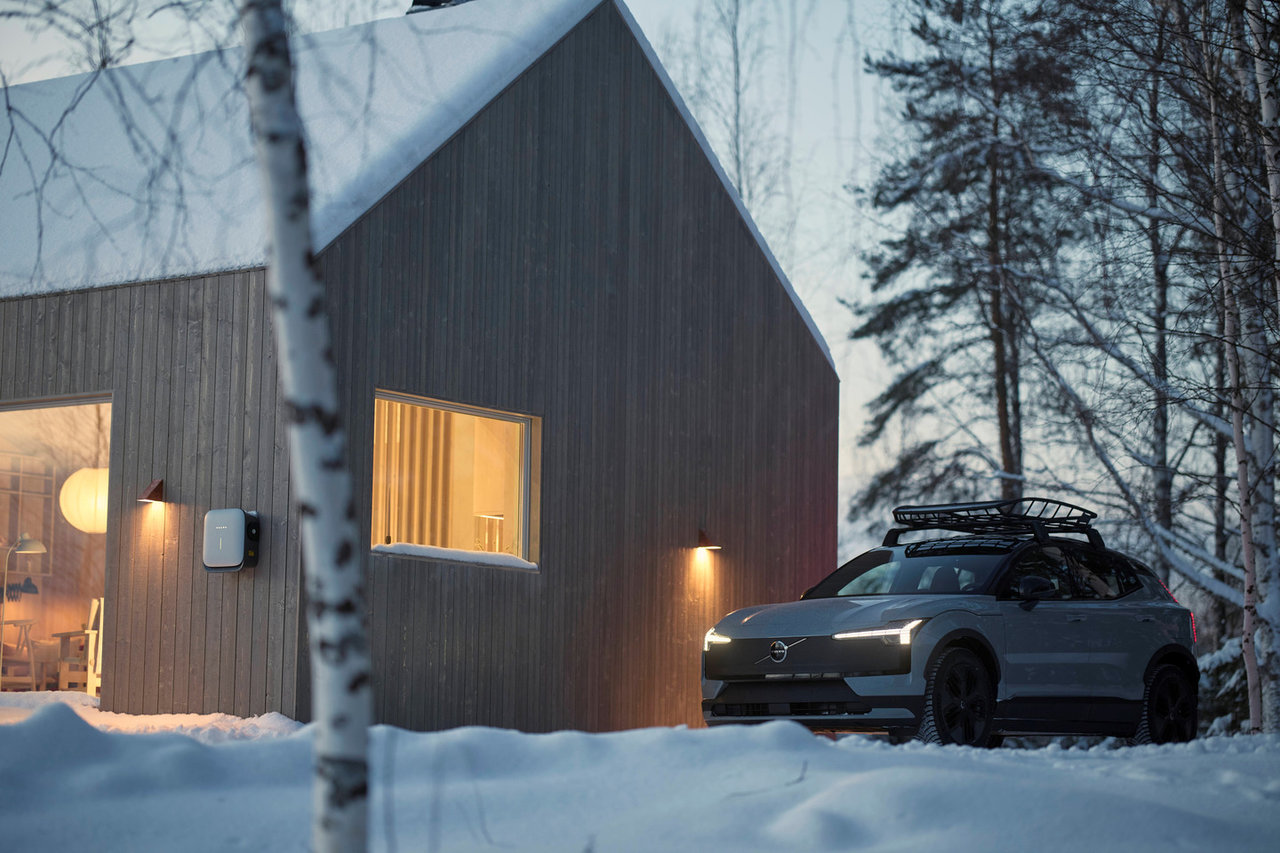
Winter in Ontario brings heavy snowfall, icy roads, and unpredictable conditions—especially along the 404 and 407, where drivers in Vaughan and Thornhill face congested highways and sudden weather changes. When it comes to winter safety, two features come up often: all-wheel drive (AWD) and winter tires. But which one matters more? And do you need both?
Let's break down how each one works, what they do for your safety, and how to make the right choice for driving in the GTA this winter.
All-wheel drive sends power to all four wheels instead of just the front or rear. This helps your vehicle accelerate more smoothly on slippery surfaces like snow-covered parking lots or icy on-ramps.
Volvo's AWD system is designed to handle tough conditions. Models like the V60 Cross Country and V90 Cross Country include AWD as standard, and they pair it with features like Off Road mode and Hill Descent Control to optimize traction and grip. These systems work in the background, adjusting power to the wheels that need it most.
AWD helps you get moving when roads are slick, but it doesn't help you stop or steer. That's where winter tires come in.
Winter tires are built with softer rubber compounds that stay flexible in freezing temperatures. They also have deeper tread patterns designed to grip snow and ice, which improves braking, cornering, and overall control.
Here's the key difference: AWD helps you accelerate. Winter tires help you stop and turn.
In Ontario, where temperatures regularly drop below 7°C, winter tires make a measurable difference in stopping distance and handling. They're designed for the exact conditions you face on your commute through Thornhill or weekend trips up north.
Most automotive safety experts agree: winter tires are more important than AWD for winter driving safety.
Here's why. AWD helps you get going, but once you're moving, your tires are responsible for everything else—steering, braking, and maintaining traction in corners. A two-wheel-drive vehicle with winter tires will outperform an AWD vehicle with all-season tires when it comes to stopping and turning on ice.
That said, the best combination is both. AWD and winter tires work together to give you confidence in all driving situations, from merging onto the 407 in slushy conditions to navigating unplowed side streets in residential areas.

It depends on your driving habits and where you live.
If you mostly drive on plowed highways and main roads in Vaughan or Thornhill, winter tires alone will give you most of the safety benefits you need. Modern winter tires are highly effective on snow and ice, and they work with any drivetrain.
If you frequently drive in deeper snow, travel on rural roads, or head out to cottage country, combining AWD with winter tires gives you the best performance. AWD helps you power through unplowed sections, while winter tires keep you in control once you're moving.
Many Volvo models come with AWD as standard or as an option, including:
Volvo also offers certified winter tire packages through dealerships. These tires are tested and approved for each model, so you know they'll fit properly and work with your vehicle's safety systems.
|
Feature |
What It Does |
When It Helps |
|---|---|---|
|
AWD |
Sends power to all four wheels |
Getting moving on snow or ice |
|
Winter Tires |
Flexible rubber + deep tread |
Stopping, turning, and overall grip in cold weather |
|
Both Together |
Maximum traction and control |
Challenging conditions like deep snow or icy hills |
Whether you're looking for a vehicle with AWD, need winter tires, or want to learn more about how your Volvo handles Ontario winters, our team at Volvo Cars Villa in Thornhill is here to help. Stop by to explore your options and make sure you're ready for the season ahead.
5 Comfort Details That Make the 2026 Volvo XC60 Ideal for Family Road Trips
A long weekend drive across Ontario tests a vehicle differently than a school run ever does. Kids get restless, coffee needs a place to sit, and...
Read more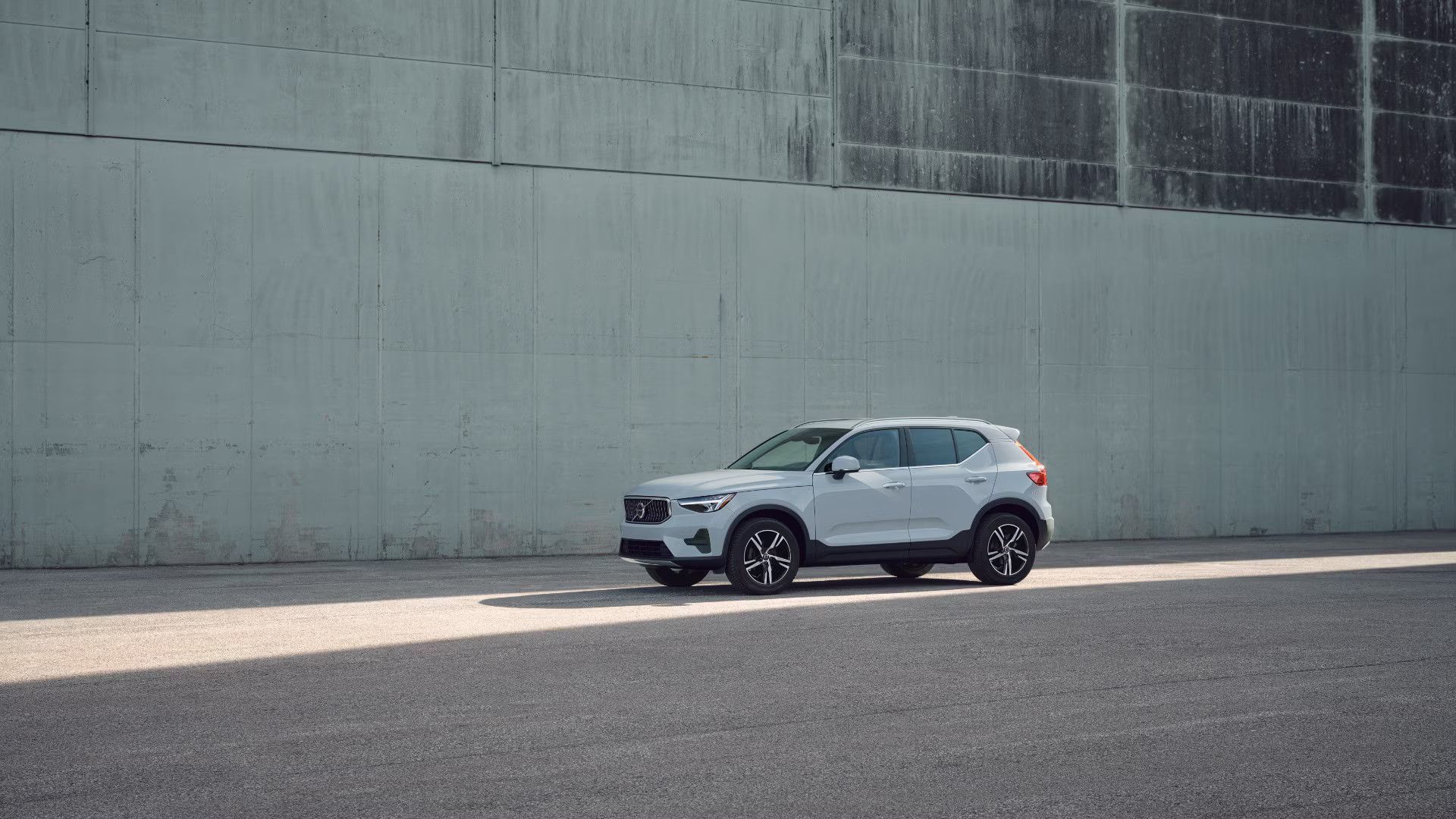
Welcoming First-Time Owners to the 2026 Volvo XC40’s Standard Safety Technology
Buying your first Volvo can feel like a big step, especially if safety tech is the reason you’re looking. The 2026 XC40 is built to answer that...
Read more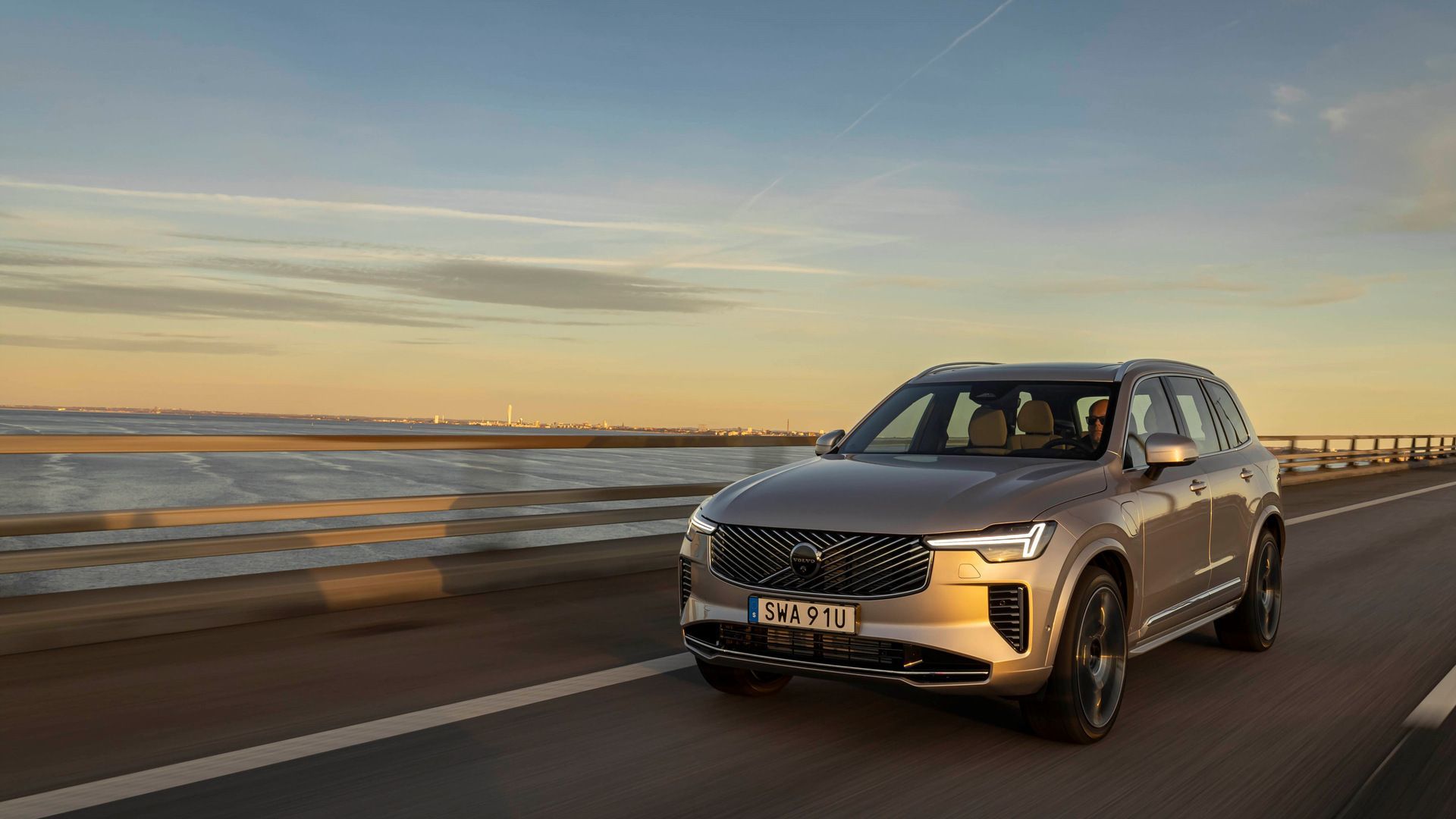
How Does the 2026 Volvo XC90’s Driver-Assist Suite Support Confident Family Driving?
School pickup lanes, condo garages, and a packed highway on a Friday afternoon all ask something different of a three-row SUV. The 2026 XC90...
Read morePowered and developed by